Reflective Roof Paint Tested to Cool Informal Homes and Improve Sleep in South Africa

A pilot project in South Africa is testing whether painting the corrugated-iron roofs of informal homes with reflective white coating can significantly reduce indoor temperatures. Led by University of Cape Town epidemiologist Lara Dugas, the study aims to determine if cooler living conditions can help residents sleep better and mitigate health risks associated with rising nighttime temperatures driven by climate change.
A pilot project in South Africa is testing whether painting the corrugated-iron roofs of informal homes with reflective white coating can significantly reduce indoor temperatures. Led by University of Cape Town (UCT) epidemiologist Lara Dugas, the study aims to determine if cooler living conditions can help residents sleep better and mitigate health risks associated with rising nighttime temperatures driven by climate change.
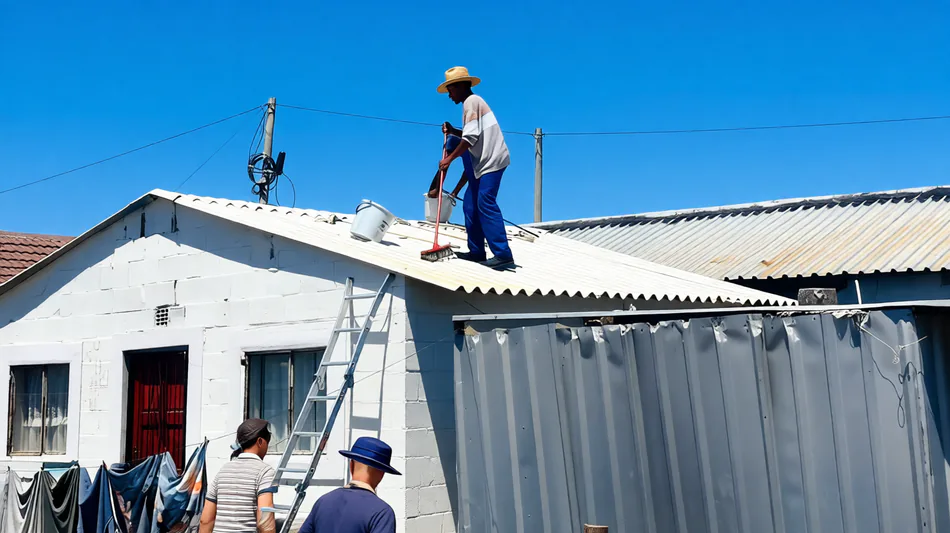
The initiative involves applying a special paint that reflects sunlight rather than absorbing it to 120 roofs across two locations: Khayelitsha in Cape Town and Mphego village near Thohoyandou in Limpopo. The trial, which began in 2022, is scheduled to conclude at the end of 2027 and involves 240 households.
Early, yet-to-be-published findings from the project indicate that the reflective coating can lower indoor temperatures by approximately 3°C to 5°C during the hottest part of the day. Dugas noted that the temperature reduction is immediate; residents experience cooler internal environments the day after application, which facilitates better sleep.
The research addresses a critical public health challenge exacerbated by global warming. Climate change increases the frequency and intensity of extreme weather events, including heatwaves. In South Africa, the 2025 Lancet Countdown report identified that the country experienced an average of 13 heatwave days in 2024. The report attributed approximately eight out of every ten of these days to climate change, noting that without it, the nation would have faced significantly fewer such events.
Warm nights pose specific physiological challenges for sleep. To fall asleep, the human body must lower its internal temperature. When surrounding environments remain hot, this cooling process is hindered, leading to longer sleep onset times and more frequent awakenings. A 2022 study analyzing over seven million sleep records from 68 countries found that rising nighttime temperatures are already reducing total sleep duration, with a pronounced impact in poorer nations.
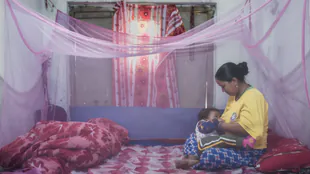
Dugas, who has studied sleep patterns across Jamaica, the United States, Ghana, the Seychelles, and South Africa, highlighted disparities in sleep quality linked to housing conditions. Using wrist-worn sleep monitors, her team found that while residents of Khayelitsha spend an average of 11 hours in bed per night, the quality of that sleep is poor due to fragmentation.
"People in Khayelitsha, who live in informal settlements, have very fragmented and disrupted sleep," Dugas said. "They appear to go to bed early, at 8 or 9pm. That’s often because they live in unsafe environments... Their homes are small and there isn’t much to do. Many therefore try to go to sleep, but it takes them a very long time to fall asleep when they go to bed that early."
The monitors revealed that participants woke up frequently during the night and struggled to return to restorative sleep cycles, which are essential for physical repair and immune function. Regular poor sleep is linked to increased risks of high blood pressure, diabetes, heart disease, and depression.
In informal housing, bedroom temperatures can reach as high as 30°C at night during summer months. Dugas explained that the ideal temperature for sleep is between 18°C and 22°C. "Our data shows for every degree Celsius with which the temperature increases there’s a significant drop in the quality of people’s sleep," she said.
The reflective paint works by bouncing solar radiation away from the roof surface. Dugas reported that shacks with painted roofs cool down rapidly at night, preventing the heat buildup typical of unpainted corrugated iron. The paint is designed to last between five and 10 years, though its durability can be affected by rust; proper preparation with primers is necessary for rusty surfaces. To date, the project has not required any repainting.
The cost to paint one dwelling is approximately R2,500. Beyond roof painting, the researchers are investigating other interventions to lower indoor temperatures, such as installing ceilings to create a heat buffer and using solar-powered fans to generate airflow. They also noted that interior elements like carpets and couches can retain heat, influencing internal temperatures.
The project has drawn interest from local government. Dugas stated that the City of Cape Town’s heat resiliency programme is reviewing the data and discussing potential partnerships.
This research coincides with COP31, the United Nations annual climate change conference, which opened in Antalya, Türkiye, on November 9 and runs until November 20. Health is a central theme of this year’s summit, which began with a dedicated Health Day. The World Health Organization is urging nations to take stronger measures to protect populations from the growing health threats posed by climate change.
In South Africa, about 1.4 million households, or 8.1% of all households according to Stats SA’s 2022 census, live in informal dwellings. For these residents, who often lack access to air conditioning or fans, passive cooling solutions like reflective paint offer a potential pathway to improved health outcomes as temperatures continue to rise.
H.Takahashi--JT