RYCEF
0.1000

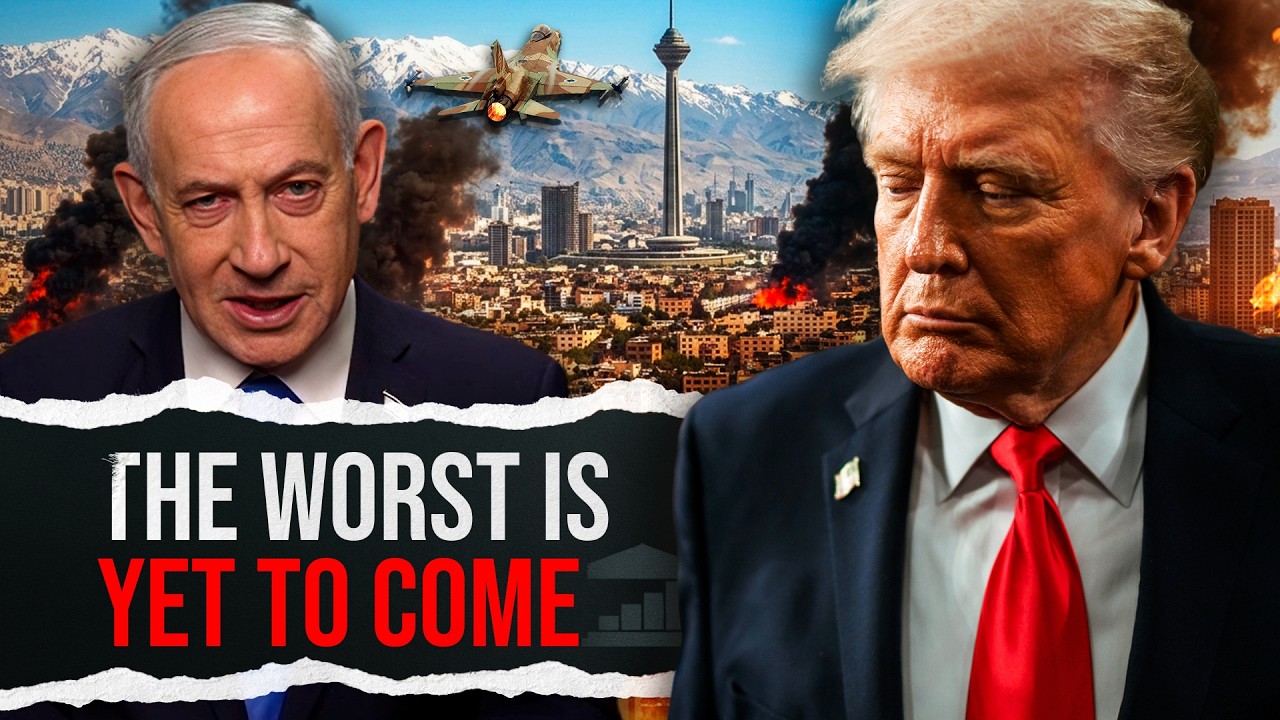
When the United States and Israel launched Operation Epic Fury on 28 February 2026, President Donald Trump said the campaign would be decisive. In speeches since then he has repeated four core objectives: destroy Iran’s ballistic missiles and the factories that build them; annihilate the Iranian navy; sever Tehran’s support for proxy militias; and ensure the Islamic Republic never acquires a nuclear weapon. Officials insist the mission is on course and that Iran’s navy and air force have been “eliminated,” with more than 12,000 Iranian targets struck and more than 155 vessels destroyed. The White House has described the war as a short, focused campaign.
Military records and independent reporting show a more complicated picture. Before the war Iran possessed an estimated 2,500 ballistic missiles. Although U.S. and Israeli strikes have degraded production lines and reduced Iran’s launch rate by about 90 %, intelligence sources say only about one‑third of the arsenal has been destroyed and that Tehran retains a modest capacity to hit Israel and the Gulf. The bombing has extended beyond military targets; Iranian officials say strikes have hit pharmaceutical plants, desalination facilities and other industrial sites, while the Iranian Red Crescent reports hundreds of civilian casualties. More than 2,000 Iranians have been killed, according to Al Jazeera, and U.S. Central Command acknowledges that thirteen American service members have died. Israel’s simultaneous campaign in Lebanon has displaced 1.2 million people, and Gaza’s humanitarian relief has been halted after Israel closed the Rafah crossing.
Shifting goals and international unease
The justifications for Operation Epic Fury have expanded. Trump’s initial pledge to aid Iranian protesters was followed by calls for regime change, then by claims of pre‑empting an imminent Iranian attack and of avenging alleged plots against the president. As the war unfolded, officials such as Secretary of State Marco Rubio and Secretary of War Pete Hegseth insisted the mission was narrowly focused on missile and naval destruction. Analysts note that the rhetoric has evolved to fit battlefield developments, creating confusion about the operation’s true purpose. Critics, including international legal scholars, argue that the campaign risks undermining the UN Charter and could normalise unilateral war. The UN High Commissioner for Human Rights has warned that the conflict’s spread “like wildfire” demands urgent de‑escalation.
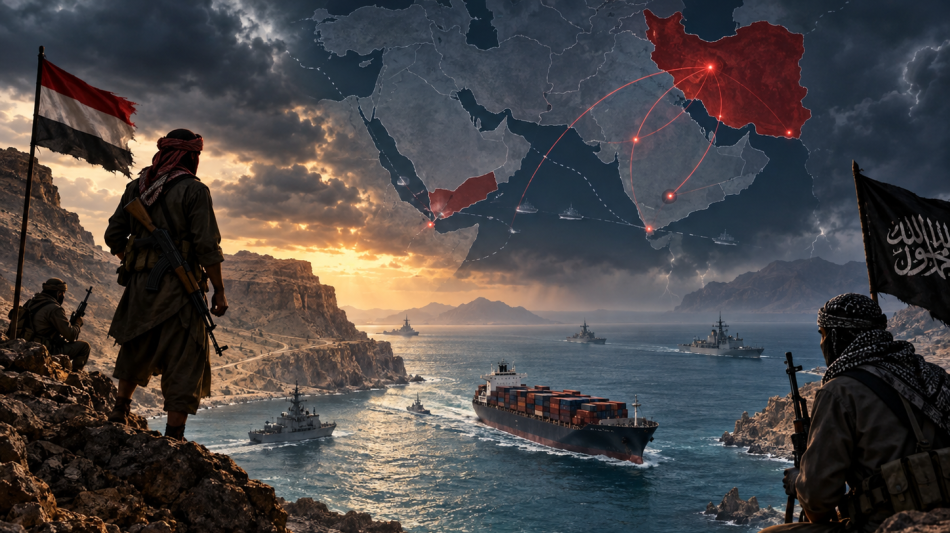
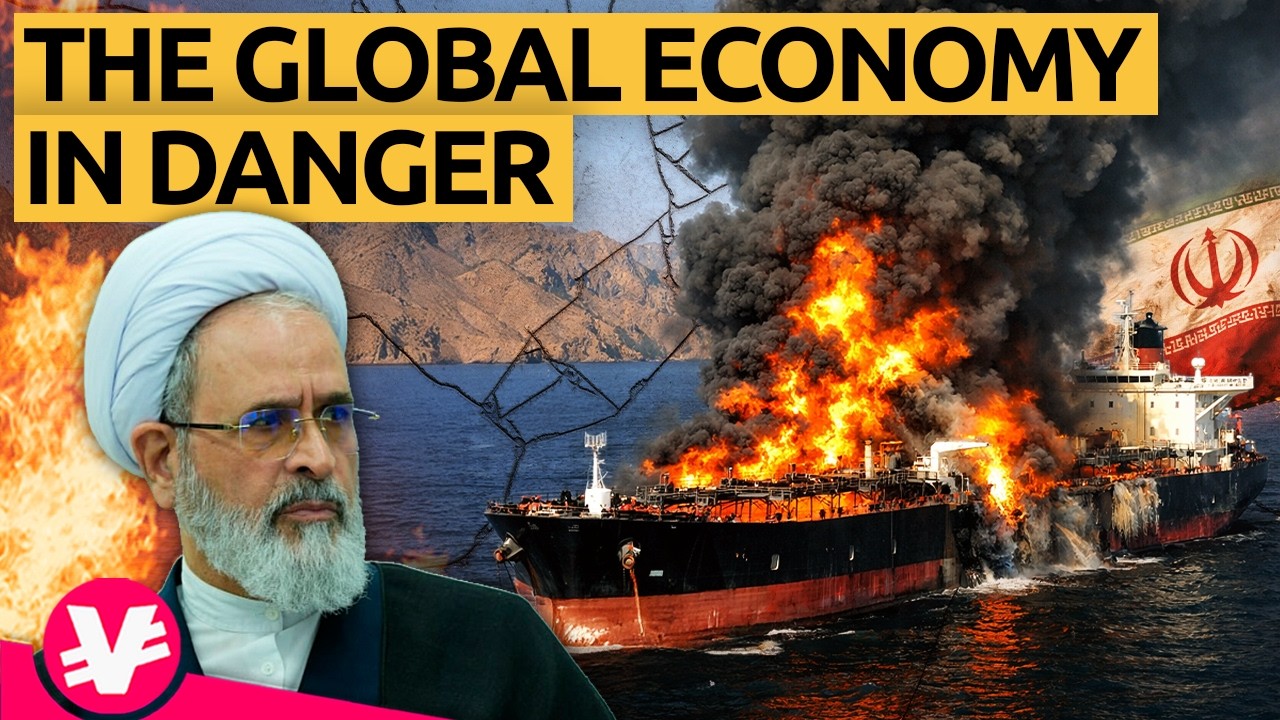
Allies are divided. Israel and several Gulf states have provided logistical support, but Spain, France and Italy have restricted U.S. access to airspace and bases. Britain is hosting talks on reopening the Strait of Hormuz, while China and Pakistan have proposed a ceasefire plan. Meanwhile, Iran’s regional partners continue to launch rockets and drones at Israel and U.S. facilities, and Iranian officials say they have “zero trust” in Washington. The prolonged closure of the Strait has pushed global oil prices higher and caused what some economists describe as the worst trade rupture in eighty years. Australia’s prime minister warned his citizens to prepare for months of economic turbulence.
Ground operations: speculation and reality
Talk of an imminent U.S. invasion of Iran has intensified after the Pentagon disclosed preparations for limited ground operations. According to officials, plans under consideration involve raids by special operations forces and Marines on Kharg Island and coastal areas near the Strait of Hormuz. Additional forces from the 82nd Airborne Division and a Marine Expeditionary Unit have already arrived in the region. White House press secretary Karoline Leavitt stressed that preparing options does not mean a final decision has been made. Supporters argue that seizing small pieces of terrain could help reopen the waterway and destroy remaining missile batteries; critics counter that such raids would expose U.S. troops to drones, mines and a determined Iranian defence.
Military scholars caution that history offers little comfort for a land war in Iran. Iran is a vast country with rugged terrain and a large standing army and Revolutionary Guard corps. Control of the 200‑kilometre‑long Strait requires keeping the entire waterway open, while Iran only has to close a single chokepoint. Limited raids might not compel Tehran to surrender; they could instead harden Iranian resolve, invite Russian assistance and produce U.S. casualties that erode domestic support. Retired officers note that the last major amphibious operation conducted by U.S. forces was the Incheon landing in the Korean War, underscoring the logistical difficulty of large‑scale landings in hostile territory—a point echoed by commenters online.
Voices from the public sphere
Public reactions reveal both anxiety and bravado. Some commenters salute the “fire, boom” rhetoric Trump used to describe air strikes, while others lampoon it as reckless and unbecoming of a head of state. Many question the wisdom of seeking “undisputed victory” in a country as large and resilient as Iran, warning that prolonged fighting will leave the rest of the world to “suffer for no good reason.” References to historic amphibious operations hint at scepticism about a ground invasion’s feasibility, and several contributors object to the war proceeding without congressional approval. Others voice fear that seizing Iranian oil facilities would be seen globally as plunder. There are, however, voices that praise the campaign and suggest that critics are simply “haters.” Taken together, the comments reflect a divided public grappling with the tension between perceived national security imperatives and the moral, legal and economic costs of war.
An uncertain path forward
Despite confident pronouncements from Washington, the path to a decisive end appears uncertain. Iran’s ability to launch drones and missiles has been dented but not destroyed; its proxies remain active across the Middle East; and the Strait of Hormuz—a lifeline for global commerce—remains contested. The domestic mood in the United States is mixed, and international support is fragmenting. Limited ground raids could deliver symbolic victories but risk entangling U.S. forces in exactly the kind of drawn‑out conflict Trump vowed to avoid. As diplomats convene and militaries mobilise, the world watches to see whether the current campaign marks the prelude to a broader invasion or the crest of an offensive that will soon wind down.