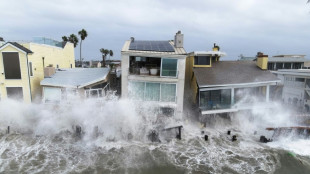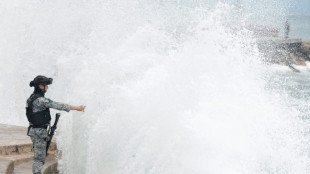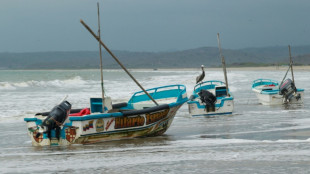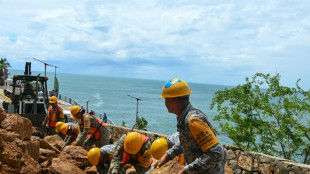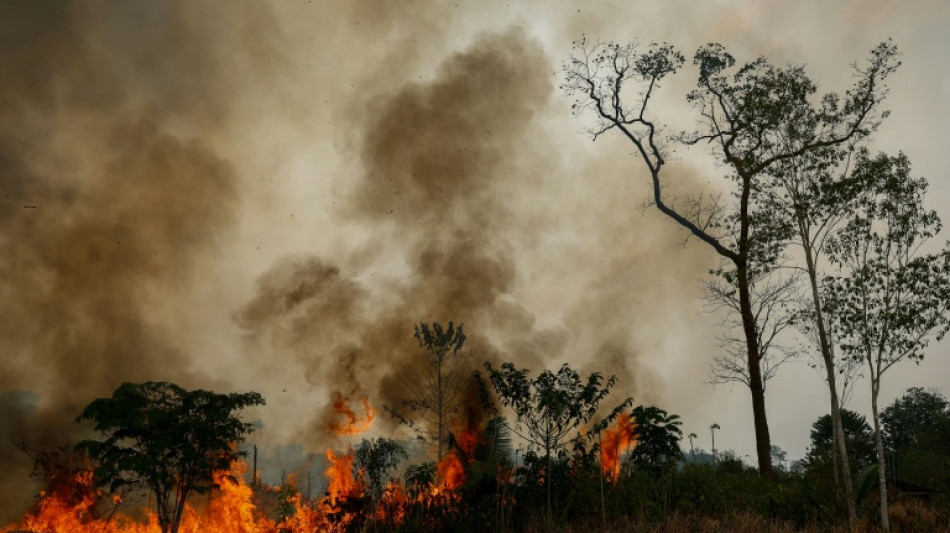
El Nino Watch: the impacts around the world this week / Photo: MICHAEL DANTAS - AFP/File

Food security concerns, wildfires and power warnings are among the impacts around the world this week from an exceptionally strong El Nino weather cycle.
Here is a look at how this year's phenomenon, in which a warmer sea surface shifts global weather patterns, has been affecting people globally:
- Indonesia and Amazon fires, orangutans rescued -
El Nino is associated with strong drought in Indonesia, where tracts of forest and plantations have been burning in biodiverse Borneo and the South Sumatra region for months.
The fires have caused a regional haze crisis, with Malaysia last week closing schools in several regions and Singapore announcing subsidies for people seeking medical treatment for haze-linked illness.
Malaysia has called for a meeting of regional body ASEAN to discuss the haze, and offered firefighting assistance.
Experts say years of deforestation and peatland drainage in Indonesia have made it more vulnerable to fires during dry periods.
The fires have sickened tens of thousands of people, while conservationists have rescued dozens of orangutans trapped by smoke and flames, including Novita, a female found clinging to a treetop with burns on her hands and feet.
"She had to leave her habitat, and we had to rescue her, primarily because of the flames," said Andi Muhammad Khadafi, head of the Central Kalimantan Natural Resources Conservation Agency.
Haze from fires also blanketed Manaus, the largest city in the Brazilian Amazon, where public schools were shut on Friday.
Amazonas state recorded nearly four times more fire hotspots this September than the year before. On Wednesday alone, over 749 fires were burning.
- Myanmar power outages, Philippines prepares -
Myanmar warned citizens to expect power outages as the electricity grid is strained by an unseasonal heatwave authorities blamed on El Nino.
"Due to the effects of severe El Nino conditions, temperatures across the country have risen significantly, resulting in increased electricity consumption," the energy ministry said.
Weather officials also warned the country to expect "abnormal" rainfall, drought, extreme heat and drinking water shortages.
In the Philippines, Energy Secretary Sharon Garin said the government was preparing for higher demand and the possibility of hydropower declines due to hotter and drier weather.
"The appeal is for the public to be aware of this so that we can all start having the mindset of energy savings," she said.
- IMF 'very concerned' on food -
International Monetary Fund chief Kristalina Georgieva told AFP she is "very concerned" about El Nino's global impacts, particularly on food security.
The IMF is "getting ready" to offer support to countries that may struggle to absorb the impact, she added.
The United Nations Development Programme also warned Sunday that the combined impacts of higher borrowing costs, surging energy prices and the powerful El Nino created "a perfect storm that could throw tens if not hundreds of millions of people back into poverty".
In southern Madagascar, aid workers told AFP they are already battling the effects of a famine and conditions are expected to worsen as El Nino's full impact on Africa takes hold from this month.
- What scientists say -
El Nino will continue intensifying until a December peak, the UN's World Meteorological Organization said Thursday.
"It is likely to bring above-average temperatures to much of the globe and shift rainfall patterns, increasing the risk of drought and floods in different regions," the body said in its monthly update.
Sea-surface temperatures in a key monitoring region in the Pacific reached an "all-time high" last month, the European Union's Copernicus Climate Change Service said, while Japan's weather agency on Friday declared this El Nino was of "the strongest intensity on record".
Not all forecasters use the same scale to interpret El Nino, and the comparison is complicated by the background effects of climate change.
- By the numbers -
29.70C: the all-time high sea-surface temperature recorded in part of the Pacific by Copernicus
1: number of hurricanes this Atlantic season, which has been exceptionally light due to El Nino, unlike the busy Pacific season
71: death toll in Thailand floods since mid-September
46: orangutans rescued from Indonesia fires by authorities and conservation group YIARI between August and October 9
- 'Super El Nino' explained -
El Nino is associated with higher global temperatures, and a stronger cycle intensifies the extreme weather patterns it brings to different regions, like drought or heavy rain.
This year's cycle has been called a "super El Nino" but the term many scientists use is "very strong".
The World Meteorological Organization last month said it expected this cycle to meet that definition before it peaks in December.
The benchmark for the definition is the sea-surface temperature anomaly in part of the Pacific Ocean, which is now at record levels.
Climate change complicates the picture because the oceans are now warmer, but scientists can strip out that background effect to determine the absolute rise.
burs-sah/ami
Y.Kato--JT