The Japan Times - Up to 45% of dementia risk can be prevented, delayed: WHO

EUR -
AED 4.200579
AFN 75.480235
ALL 93.377918
AMD 419.223753
ANG 2.047409
AOA 1048.717023
ARS 1687.421195
AUD 1.635488
AWG 2.054262
AZN 1.942446
BAM 1.951601
BBD 2.303155
BDT 140.963014
BGN 1.96421
BHD 0.431238
BIF 3412.048183
BMD 1.143639
BND 1.474035
BOB 7.918369
BRL 5.858979
BSD 1.143545
BTN 110.173439
BWP 15.498789
BYN 3.313086
BYR 22415.332458
BZD 2.299852
CAD 1.607351
CDF 2583.481896
CHF 0.925164
CLF 0.026883
CLP 1058.026319
CNY 7.741066
CNH 7.747454
COP 3704.865618
CRC 519.684149
CUC 1.143639
CUP 30.306444
CVE 110.218185
CZK 24.221712
DJF 203.24708
DKK 7.476016
DOP 66.9602
DZD 152.161132
EGP 57.705188
ERN 17.154591
ETB 181.810076
FJD 2.562038
FKP 0.847401
GBP 0.849284
GEL 2.996039
GGP 0.847401
GHS 13.168974
GIP 0.847401
GMD 84.629151
GNF 10041.154683
GTQ 8.724268
GYD 239.245254
HKD 8.965962
HNL 30.706919
HRK 7.535208
HTG 149.459086
HUF 361.659974
IDR 20553.487497
ILS 3.456021
IMP 0.847401
INR 110.196118
IQD 1498.167629
IRR 1572504.190237
ISK 143.217876
JEP 0.847401
JMD 181.375797
JOD 0.810864
JPY 185.753916
KES 147.877734
KGS 100.011427
KHR 4599.718156
KMF 490.621379
KPW 1029.275548
KRW 1692.723056
KWD 0.353522
KYD 0.95295
KZT 538.463826
LAK 25817.659759
LBP 102412.909302
LKR 384.341393
LRD 207.460279
LSL 18.653107
LTL 3.37687
LVL 0.691776
LYD 7.307721
MAD 10.682756
MDL 20.074983
MGA 4917.64972
MKD 61.631196
MMK 2400.922116
MNT 4100.361735
MOP 9.233933
MRU 45.871295
MUR 53.785564
MVR 17.680327
MWK 1985.358052
MXN 19.93981
MYR 4.657926
MZN 73.089754
NAD 18.652822
NGN 1578.943016
NIO 41.914093
NOK 11.074615
NPR 176.278271
NZD 1.958802
OMR 0.439723
PAB 1.14354
PEN 3.86836
PGK 5.028594
PHP 70.481351
PKR 318.048604
PLN 4.330279
PYG 6934.92761
QAR 4.169734
RON 5.240146
RSD 117.370533
RUB 89.315864
RWF 1676.575377
SAR 4.27945
SBD 9.230727
SCR 16.55961
SDG 686.75192
SEK 11.038745
SGD 1.476318
SHP 0.853842
SLE 27.876203
SLL 23981.555032
SOS 653.552008
SRD 43.013425
STD 23671.026811
STN 24.702611
SVC 10.005255
SYP 126.408863
SZL 18.652245
THB 38.417162
TJS 10.549003
TMT 4.014174
TND 3.349434
TOP 2.753609
TRY 53.812574
TTD 7.76832
TWD 36.893004
TZS 3006.013927
UAH 51.034482
UGX 4219.939071
USD 1.143639
UYU 45.930977
UZS 13818.59512
VES 828.955365
VND 30024.53728
VUV 137.320309
WST 3.144451
XAF 654.551566
XAG 0.020521
XAU 0.000287
XCD 3.090743
XCG 2.060975
XDR 0.813147
XOF 655.305645
XPF 119.331742
YER 272.877304
ZAR 18.771537
ZMK 10294.127473
ZMW 20.954915
ZWL 368.251424
  • RBGPF

    0.0000

    67.35

    0%

  • RYCEF

    -0.3900

    18.32

    -2.13%

  • CMSC

    -0.0450

    22.055

    -0.2%

  • NGG

    -0.4800

    82.43

    -0.58%

  • GSK

    1.2850

    52.735

    +2.44%

  • BP

    -0.2100

    41.12

    -0.51%

  • AZN

    1.3600

    169.73

    +0.8%

  • BTI

    3.9900

    62.72

    +6.36%

  • RIO

    -2.8500

    90.77

    -3.14%

  • VOD

    0.5350

    15.615

    +3.43%

  • BCE

    0.5050

    22.105

    +2.28%

  • RELX

    0.6600

    34.17

    +1.93%

  • CMSD

    -0.0850

    22.3

    -0.38%

  • BCC

    4.2100

    80.2

    +5.25%

  • JRI

    -0.0400

    12.96

    -0.31%

Up to 45% of dementia risk can be prevented, delayed: WHO
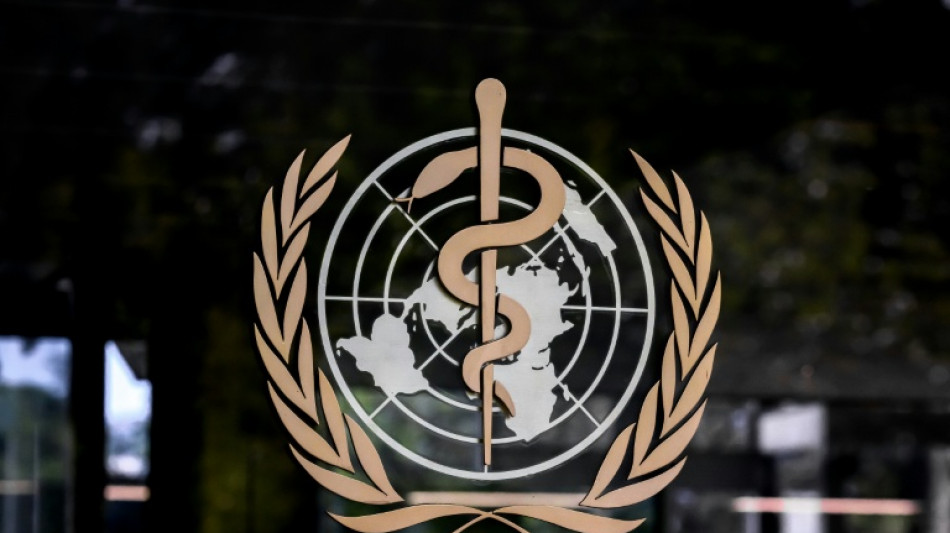
Up to 45% of dementia risk can be prevented, delayed: WHO / Photo: Fabrice COFFRINI - AFP

Up to 45% of dementia risk can be prevented, delayed: WHO

Up to 45 percent of dementia risk could be prevented or delayed, the World Health Organization said Wednesday, citing modifiable risk factors such as tobacco and air pollution.

Text size:

Dementia is the seventh leading cause of death and a major cause of disability and dependency among older people globally.

Dementia is caused by brain diseases and affects memory, thinking and the ability to function.

"While there is no cure for dementia, up to 45 percent of the risks can be attributed to modifiable risk factors such as tobacco, alcohol use, social isolation, physical inactivity, air pollution and noncommunicable diseases (NCDs), including high blood pressure and diabetes," the WHO said in a statement.

More than 57 million people live with dementia worldwide and nearly 10 million people get diagnosed every year, it said.

Alzheimer disease is the most common form of dementia and is estimated to account for 60 to 70 percent of cases.

"Behind these numbers are individuals, families, and communities navigating profound challenges that affect not only health, but dignity, independence, and well-being," said Devora Kestel, director of the WHO's NCDs and mental health department.

"This is not a distant issue; it touches all of us," she wrote in a foreword to updated WHO guidance published Wednesday on how health workers and policymakers can help prevent or delay the onset of dementia.

The UN health agency issued its first dementia recommendations in 2019, but said the evidence base had grown significantly since.

The guidelines aim to promote early awareness and intervention in a bid to reduce the burden of dementia in the coming decades, it said.

Although more common after 65, the condition is not an inevitable part of ageing, the WHO insisted.

- Focus on prevention -

"We know more today than ever before about what drives dementia risk, and these guidelines translate that knowledge into action," said WHO chief Tedros Adhanom Ghebreyesus.

"Countries now have clear, evidence-based recommendations they can put into practice immediately to protect people's cognitive health."

Because there is no cure for dementia or widely accessible treatment, the guidelines emphasised that prevention remains the most effective strategy to reduce the number oc cases.

Among other things, the WHO suggested cognitive stimulation and training for adults experiencing mild cognitive impairment.

The WHO said better management of conditions like hypertension, diabetes and high cholesterol could also help reduce dementia risk.

And it recommended stronger integration of services for NCDs, mental health and brain health.

The WHO insisted investments in reducing the dementia risk would pay dividends, with the condition estimated to cost the global economy $1.3 trillion annually -- around half of which is unpaid care provided by family and friends.

"Understanding risk factors and taking action to prevent dementia can improve health and quality of life, helping people live longer, healthier and more independent lives," it said.

Y.Hara--JT