US Senate backs Trump on Iran war despite deadline lapse
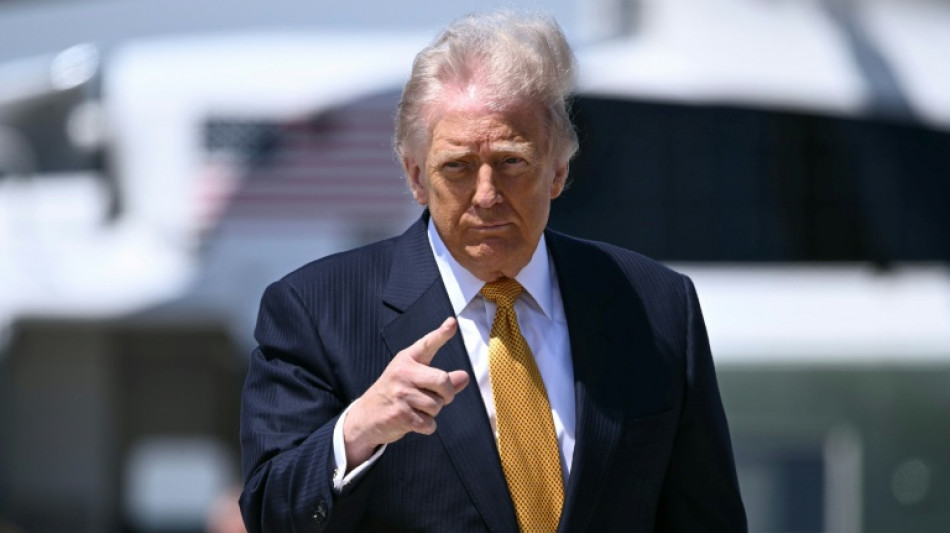
/ Photo: Brendan SMIALOWSKI - AFP/File

US senators on Wednesday narrowly rejected a resolution curbing President Donald Trump's power to wage war on Iran -- their first vote on the conflict since a 60-day deadline expired for the White House to seek formal authorization.
The measure, introduced by Oregon Senator Jeff Merkley, was the seventh failed attempt by Democrats to rein in Trump's war powers since the conflict began more than 10 weeks ago. The vote tally was 50-49.
Democrats say that, under the War Powers Act, the administration had until May 1 to secure congressional approval for military action after Trump notified lawmakers in early March of strikes against Iran.
They say that Trump is now operating in clear violation of the law. The administration disputes that interpretation, arguing that the clock was paused by a ceasefire announced more than a month ago.
"I think many of our colleagues are uncomfortable with where they stand, but they're also uncomfortable with being on the wrong side of Trump," Merkley told reporters.
The legal and political standoff has become a major test of Congress's authority over war powers more than 50 years after the law was passed in the aftermath of the Vietnam War.
While most Republicans have continued to back Trump, the expiration of the 60-day window had been viewed by some lawmakers as a potential turning point in support for the conflict, which has entered its 75th day amid rising costs and growing concern over US military readiness.
Merkley acknowledged before the vote that the administration had "complicated" the issue by declaring the clock paused.
Despite the defeat, Democrats have been cheered by a slowly growing number of Republican defections.
Three of Trump's senators crossed the aisle to support the resolution -- one more than in the previous vote in April -- giving the president the narrowest of winning margins, at 50 votes to 49.
"They'll have another chance to vote next week, and the week after that," Democratic Senator Tim Kaine told reporters, vowing to hold Republican feet to the fire.
"We're going to force this vote every week until the Senate says we shouldn't be at war. And I do believe that day is coming."
The War Powers Act has historically proven difficult to enforce, with courts generally reluctant to intervene in disputes between Congress and the White House over military action.
Even if a resolution were eventually to pass the Senate, it would still face steep hurdles in the Republican-controlled House and would likely be vetoed by Trump.
Y.Kimura--JT