Strait of Hormuz traffic remains becalmed despite ceasefire / Photo: - - EUROPEAN SPACE AGENCY/AFP

Just 10 vessels have passed through Strait of Hormuz since the Middle East war ceasefire took effect, according to maritime tracking data, amid lingering fears about using the strategic waterway.
Iran and the United States said the 167 kilometer (104 mile) strait between the Gulf and the Indian Ocean would reopen after the two-week truce was announced on Wednesday.
But statements by Iran's Revolutionary Guards (IRGC) and Israel's attacks on Lebanon despite the ceasefire have cast a shadow over the strait, which in normal times handles about a fifth of global crude oil and liquefied natural gas.
More than five weeks after the war erupted with US and Israeli strikes on Iran, hundreds of ships with thousands of crew remain stuck either side of the strait. The International Energy Agency says the war has caused the most severe supply disruption ever to the global oil market.
Here is what we know about shipping in the Strait:
- Dire strait for tankers -
Just four tankers and six bulk carriers have passed through the strait from the start of the ceasefire up to Thursday, according to maritime data provider Kpler.
Only one of those tankers, the "MSG", is not Iranian.
The Gabon-flagged ship went through Thursday with around 7,000 tonnes of Emirati fuel oil, and is headed to India, according to the MarineTraffic monitor.
A dozen other vessels appeared to be on course to pass through the waterway, and all were either coming from or going to Iran, or displayed ties with countries not hostile to Iran. That signals little real change from traffic before the ceasefire.
"The Strait remains as open or closed as it was" before the ceasefire plan emerged, shipping journal Lloyd's List editor-in-chief Richard Meade told a briefing.
Traffic in the past week was "90 percent below normal levels and it was almost entirely being driven by Iranian trade," said Bridget Diakun, a Lloyd's List Intelligence analyst.
Traffic is expected to remain at a maximum 10-15 passages a day "if the ceasefire holds", according to Kpler analyst Ana Subasic.
Of the 315 passages by commodity carriers from March 1 to April 8, 202 were by oil and gas tankers, and most were heading east towards the Gulf of Oman, Kpler data showed. A majority involved ships coming from or heading to Iran.
- Iran-approved route -
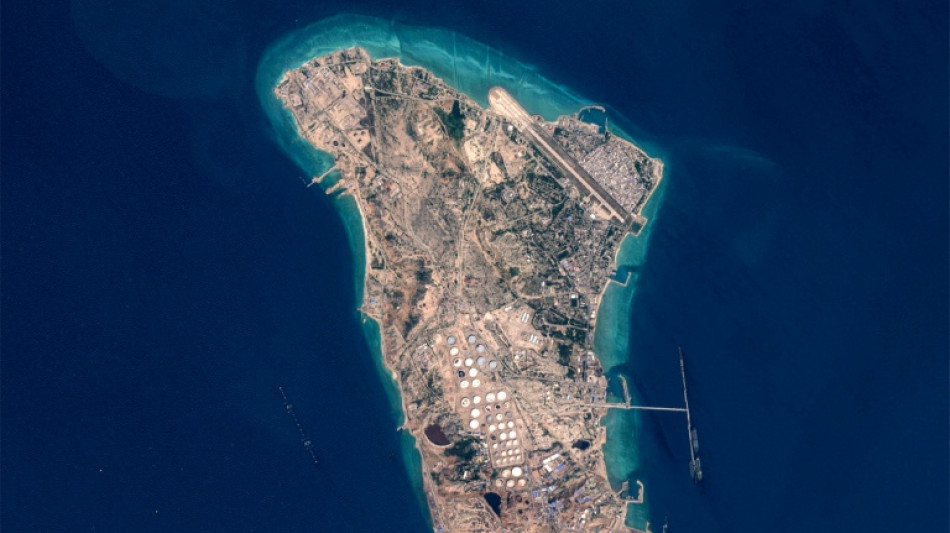
Iran announced alternative routes through the strait on Thursday, citing the risk of sea mines in the waterway's main zone. The IRGC set out routes that go near Iran's Larak Island.
The IRGC said ships could only use the strait in collaboration with the Iranian navy, according to intelligence firm Vanguard Tech.
Apart from three Omani tankers that passed through last week near Oman's coast, recent transits have used the Iranian-approved route, with some ships reportedly paying a fee.
The Financial Times reported on Wednesday that Iran could ask for one dollar per barrel of oil passing through the strait, to be paid in cryptocurrency.
Shipping industry representatives told AFP that other rumours indicated ships had to be on an approved list, or that countries would be ranked, with ships from countries friendly to Iran receiving better conditions.
- 800 ships stuck -
Many shipowners and shipping associations are unsure whether ships would be able to safely pass from the Gulf to the Gulf of Oman, even if the ceasefire holds.
Leaving the Gulf now "would not be advisable" without coordinating with the United States and Iran, Jakob Larsen, chief safety and security officer for the international shipping association BIMCO told AFP on Wednesday.
Around 800 ships have been stuck in the Gulf since the war started on February 28, according to Lloyd's List. German shipping giant Hapag-Lloyd has said it will not resume traffic on the route.
Some 172 million barrels of crude and refined products on 187 tankers were at sea in the region as of Tuesday, according to Kpler.
- Thirty vessels targeted -
No new attacks on ships have been reported since the ceasefire started.
The IRGC claimed three attacks on ships between Saturday and Tuesday, and one has been confirmed by the International Maritime Organization (IMO).
Thirty commercial ships, including 13 tankers, have been attacked or have reported incidents in the region since March 1, according to the IMO, the UK Maritime Trade Operations Centre and Vanguard Tech.
S.Fujimoto--JT