Report accuses TikTok of spreading hate speech ahead of Kenya poll / Photo: Wakil Kohsar - AFP/File

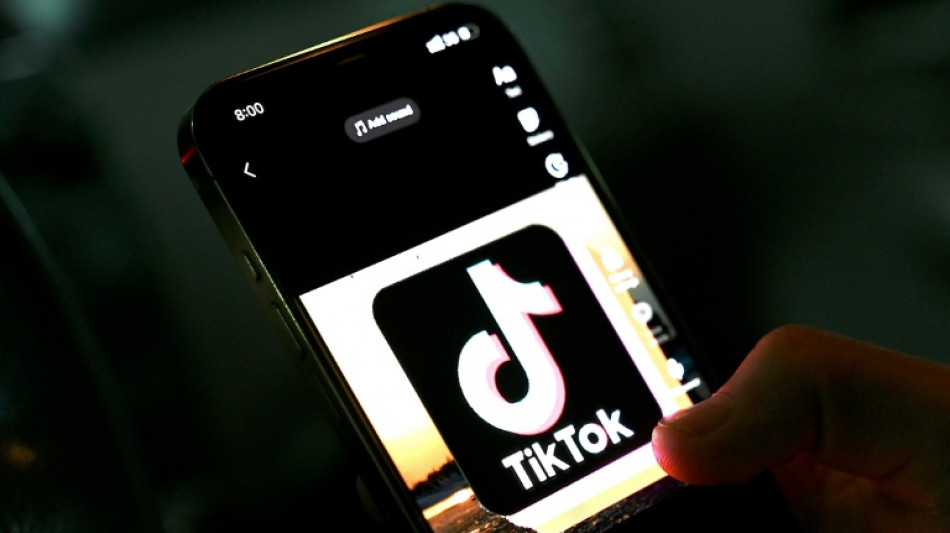
Clips containing hate-speech, political disinformation and threats of ethnic violence are spreading on TikTok ahead of Kenya's high-stakes elections, a new report said Wednesday, accusing the video-sharing platform of "failing its first real test in Africa".
East Africa's economic powerhouse will hold presidential and parliamentary elections on August 9, in the shadow of previous polls which have often been marred by ethnic violence.
On Wednesday, the US-based global non-profit Mozilla Foundation said it had analysed 130 videos which sought to spread misinformation and stoke fear, accruing over four million views after being shared by dozens of accounts.
"Kenya's democracy carries a tainted past of post-election violence. Now, political disinformation on TikTok -- in violation of the platform's own policies -- is stirring up this highly volatile political landscape," Odanga Madung, a fellow at the foundation, said.
Many of the videos contained explicit threats of ethnic violence against communities based in the Rift Valley region, according to the non-profit.
In one instance, a video which drew more than 400,000 views, alleged that a certain presidential candidate hated a particular community and would target them if he came to power.
The torrent of misinformation included fake television news bulletins, doctored newspaper pages and sham opinion polls.
"The content targets specific communities with threats and uses past violence as a tool of fear," the report said, adding that similar narratives were peddled in 2007 when a disputed election result sparked tribal violence which cost more than 1,100 lives.
- 'Remove election misinformation' –
The report said TikTok had removed several videos and suspended many accounts after reviewing the report.
A spokesperson for TikTok told AFP that the company planned to roll out new features to connect users "with authoritative information about the Kenyan elections".
"We prohibit and remove election misinformation, promotions of violence, and other violations of our policies."
TikTok, which is owned by Chinese tech giant ByteDance, saw explosive growth during the pandemic, but was doing little to rein in fake news, the report said.
Moderators were often asked to examine content which they knew little about, despite being unfamiliar with the context and the language used, a former TikTok employee told the researchers behind the report.
Kenya's elections have been dogged by claims of fake news before.
An undercover expose by UK media revealed that Cambridge Analytica, a British consulting firm, used the personal data of millions of Facebook users to target political ads and spread misinformation during the 2013 and 2017 presidential campaigns.
"Rather than learn from the mistakes of more established platforms like Facebook and Twitter, TikTok is following in their footsteps, hosting and spreading political disinformation ahead of a delicate African election," the report said.
"TikTok's shortcomings in terms of moderation of the platform only adds fuel to the fire."
Experts recently told AFP that the war in Ukraine had made TikTok the number one source of misinformation thanks to its gigantic number of users and minimal filtering of content.
AFP is a partner of TikTok, providing fact-checking services in Asia-Pacific, Europe, the Middle East, Latin America and Africa.
H.Nakamura--JT