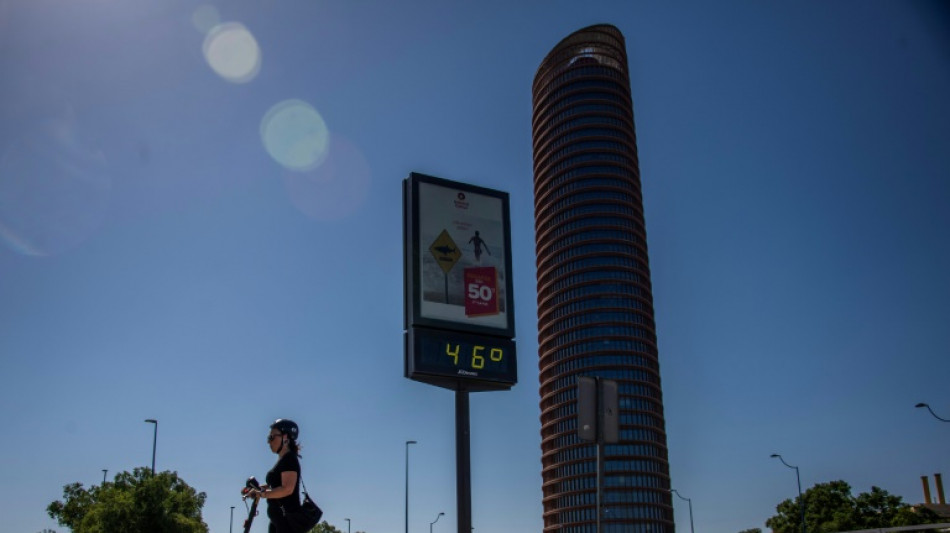
July 22 second day in row to break global heat record: EU monitor / Photo: CRISTINA QUICLER - AFP/File

Earth withered through a second-straight day of record-breaking temperatures on July 22, the EU's climate monitor said Wednesday, as parts of the world suffer devastating heatwaves and wildfires.
Preliminary data from the Copernicus Climate Change Service (C3S) showed the daily global average temperature was 17.15 degrees Celsius (62.9 degrees Fahrenheit) on Monday, the warmest day in recorded history.
This was 0.06C hotter than the day before on July 21, which itself broke by a small margin the all-time high temperature set only a year before.
"This is exactly what climate science told us would happen if the world continued burning coal, oil and gas," said Joyce Kimutai, a climate scientist from Imperial College London, on Wednesday.
"And it will continue getting hotter until we stop burning fossil fuels and reach net zero emissions."
Copernicus, which uses satellite data to update global air and sea temperatures close to real time, said its figures were provisional and final values may differ very slightly.
It anticipated daily records could keep toppling as summer peaks in the northern hemisphere, and the planet endures an extraordinary stretch of unprecedented heat on the back of the hottest-ever year.
The monitor on Tuesday said global temperatures were expected to drop soon though there could be further fluctuations.
Global warming is causing longer, stronger and more frequent extreme weather events, and this year has been marked by major disasters across the globe.
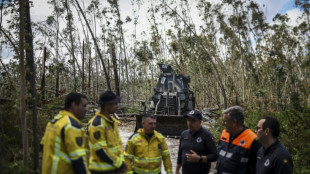
The historic heat has been felt on many continents including Asia, North America and Europe, where heatwaves and wildfires have torn a path of destruction in recent weeks.
Fires have also ripped through the Arctic, which is warming much faster than elsewhere on the planet, while winter temperatures were well above normal in Antarctica.
- 'Horrific temperatures' -
Copernicus said it was less the fact daily temperature records were being rewritten than a broader pattern of never-before-seen warming that greatly worries climate scientists.
Every month since June 2023 has eclipsed its own temperature record compared to the same month in previous years, something never before seen.
The heat witnessed on Sunday and Monday only slightly exceeded the July 2023 record, but was far above the previous high of 16.8C set in August 2016.
Copernicus said that 16.8C record has been smashed 57 times since July 2023, around the time global temperatures began a steady rise into what scientists have called unchartered territory.
"The much used term 'unprecedented' no longer describes the horrific temperatures we are experiencing," Christiana Figueres, a former head of the UN's climate change body, said on Wednesday.
Copernicus records go back to 1940 but other sources of climate data such as ice cores, tree rings and coral skeletons allow scientists to expand their conclusions using evidence from much deeper in the past.
Climate scientists say the period being lived through right now is likely the warmest the earth has been for the last 100,000 years, back at the start of the last Ice Age.
The burning of fossil fuels is the primary driver of climate change and emissions of heat-trapping greenhouse gases keep rising despite global efforts to slow rising temperatures.
Copernicus on Tuesday said 2024 could pass 2023 as the hottest year on record but it was "too early to predict with confidence".
S.Ogawa--JT