Australia battles spread of Japanese encephalitis

Australia said Friday it is buying extra vaccines to fight the potentially deadly, mosquito-borne Japanese encephalitis virus, which has spread down the flood-hit east coast for the first time.
Previously confined to the tropical north, Japanese encephalitis has travelled as far south as South Australia since late February -- infecting 17 people and leading to two confirmed deaths, according to state health authorities.
More extreme rainfall events have brought greater numbers of mosquitos to eastern Australia, one scientist said, as the country battles higher temperatures blamed on climate change that mean the atmosphere holds more moisture.
There is no specific treatment for the disease, which is spread only by mosquito bites.
Fewer than one percent of people infected may develop a serious illness such as encephalitis, which is an inflammation of the brain tissues, Australia's federal health ministry said.
Symptoms include neck stiffness, severe headache and coma, and "more rarely, permanent neurological complications or death", it warned.
Australia's health and agriculture ministries said the government would invest Aus$69 million (US$51 million) on control measures including buying an additional 130,000 vaccine doses, bolstering the 15,000 now in stock, and improved surveillance.
The vaccines -- Imojev produced by Sanofi-Aventis Australia and JEspect made by Seqirus -- are to be targeted at people working close to mosquitoes and to pigs, which are vulnerable to infection.
Australian states confirming Japanese encephalitis infections included New South Wales, Victoria and South Australia, which had never before reported locally acquired infections.
Queensland, also impacted by the spread, had previously only reported one case.
- 'Wetter conditions' -
Japanese encephalitis is a common cause of viral brain infections in Asia, said New South Wales public health pathology director Dominic Dwyer.
"It has not come by boat or plane like Covid-19, but probably by migratory birds visiting inland waterways and then mosquitoes, whose numbers have increased in eastern Australia with the wetter conditions, heavy rains and floods," he wrote in a report published in the Sydney Morning Herald.
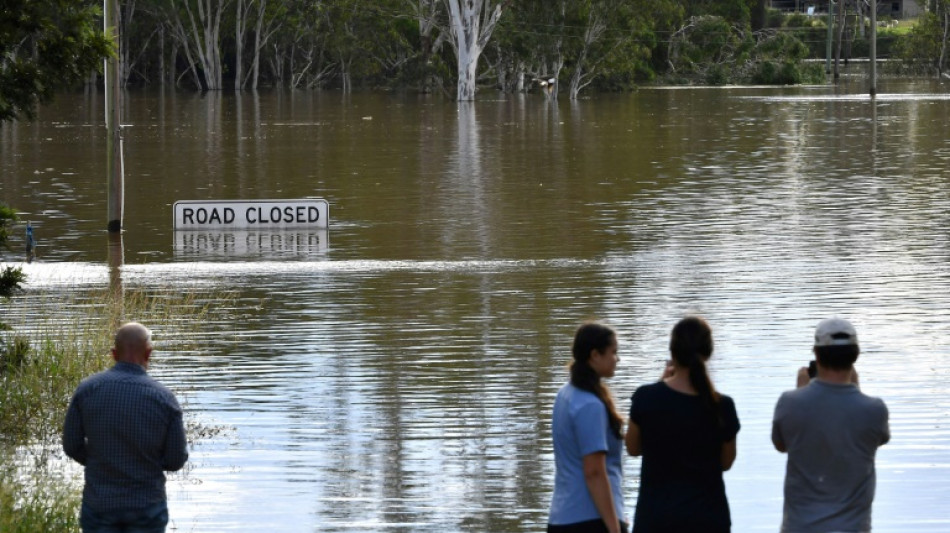
Australia's east coast is emerging from a two-week rain and flooding disaster that killed more than 20 people as it engulfed a string of towns and swept cars from the roads.
Scientists say climate change is making Australia's floods, bushfires, cyclones and droughts more frequent and more intense.
Pigs may amplify the presence of the Japanese encephalitis virus if infected animals are bitten again by mosquitoes, scientists say.
Dwyer said it was not known if feral pigs -- of which there are millions across the country -- had a role in its spread.
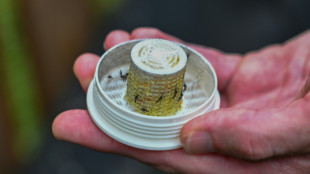
Australia's agriculture minister, David Littleproud, said mosquitoes were being trapped at all infected piggeries.
"A national surveillance plan is being developed to identify and locate infected mosquitoes, birds, pigs -- including feral pigs -- horses, and humans," he said.
He stressed that commercially produced pork meat was safe to consume.
"There are no food safety concerns," Littleproud said.
State governments advised people to try to avoid mosquito bites, including by covering exposed skin, using repellents, removing containers of water where they may breed, staying indoors at dawn and dusk, and steering clear of the insects in wetland and bush areas.
T.Maeda--JT