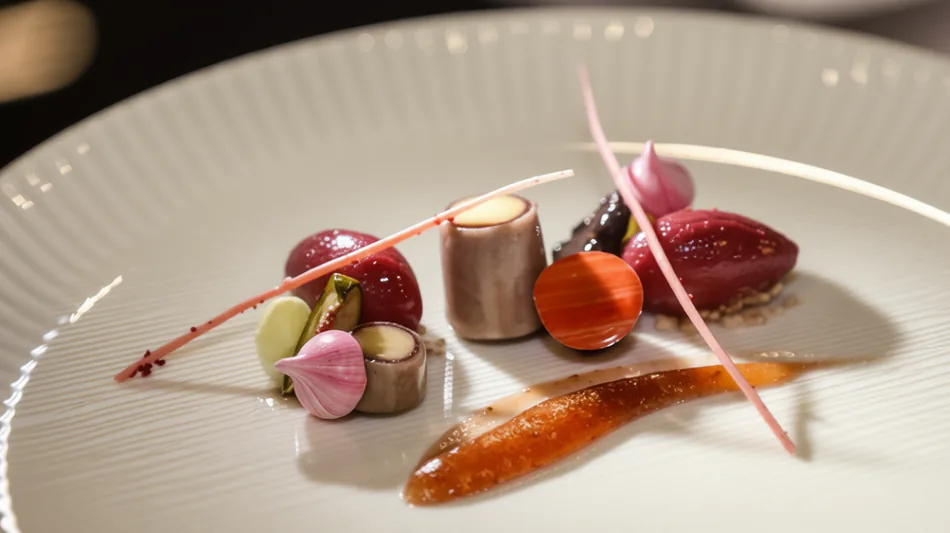
Culinary World Cup at Luxexpo Tests Chefs Under Sporting Event Pressure

The Culinary World Cup has transformed the kitchens of Luxexpo into a high-stakes arena where global chefs demonstrate extreme precision and endurance. With preparations lasting up to a year and mental strain managed through coaching, the competition mirrors the intensity of elite sports while offering hospitality students critical real-world experience.
Chefs from across the globe are competing in the Culinary World Cup at Luxexpo, an event that has generated an atmosphere more akin to a major international sporting tournament than a traditional culinary exhibition. The competition demands extreme precision, physical stamina, and mental resilience as participants prepare dishes for jury assessment.
Inside the designated kitchens, focus is paramount. Chefs execute chopping, frying, garnishing, and tasting with meticulous attention to detail, ensuring every movement counts toward a perfect presentation. Carlo Sauber, president of the jury, described the environment as electric, noting that the energy of highly motivated teams and palpable tension are immediately apparent upon entering the venue.
The prestige of the competition drives national teams to begin preparations up to a year and a half in advance. Workdays are extensive, with some teams departing for their hotels at 7 a.m. to load equipment and not returning to bed until after 1 a.m., according to Sauber.
During the judging phase, teams cook for up to 110 guests. The jury remains unaware of which specific dishes they are served, ensuring that assessments of taste, texture, color, and presentation are conducted without bias. To manage the considerable mental strain, some teams have incorporated mental coaches and yoga sessions into their routines.
Outside the kitchen doors, supporters from around the world wave flags, play music, and cheer for their national teams, displaying significant national pride. This spectator engagement complements the operational support provided by 500 students from the Luxembourg Hotel and Tourism School (EHTL).
These students assist with operations at the Restaurant des Nations, where approximately 700 guests are served each evening. Laurence Franzen of EHTL noted that serving real customers rather than peers requires operating on a much larger scale, creating a significantly more stressful but valuable learning environment.
Beyond service duties, the students gain essential skills in teamwork, communication, and interaction with international guests. For some participants, the event offers a chance at international honors; for others, it marks the beginning of their professional careers in hospitality.
K.Okada--JT