Papua New Guinea lifts ban on forest carbon credits / Photo: ARIS MESSINIS - AFP/File

Papua New Guinea will "immediately" lift a ban on forest carbon credit schemes, the Pacific nation's climate minister told AFP on Thursday, opening up its vast wilderness to offset global emissions.
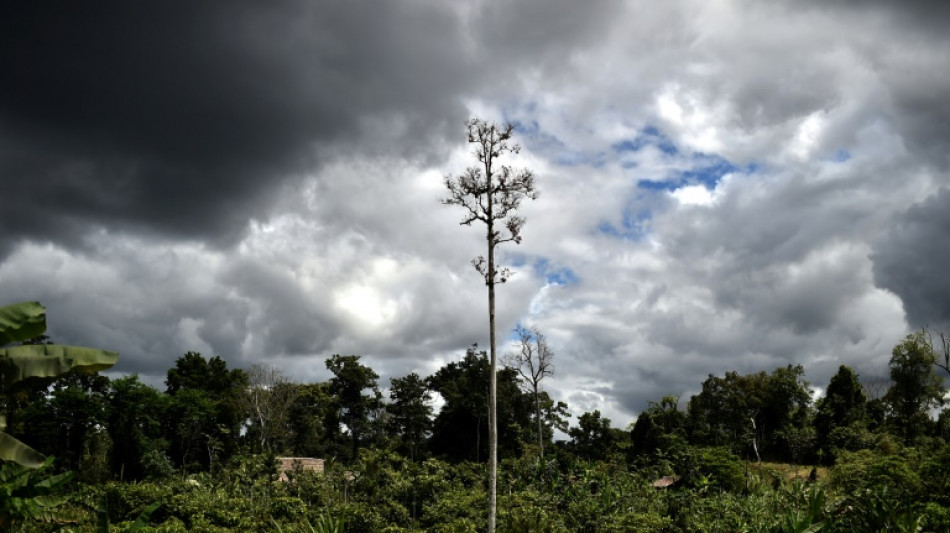
The island of New Guinea is cloaked in the world's third-largest rainforest belt, helping the planet breathe by sucking in carbon dioxide gas and turning it into oxygen.
Foreign companies have in recent years snapped up tracts of forest in an attempt to sell carbon credits, pledging to protect trees that would otherwise fall prey to logging or land clearing.
But a string of mismanagement scandals forced Papua New Guinea to temporarily shut down this "voluntary" carbon market in March 2022.
Environment Minister Simo Kilepa told AFP that, with new safeguards now in place, this three-year moratorium would "be lifted immediately".
"Papua New Guinea is uplifting the moratorium on voluntary carbon markets," Kilepa said.
"We now have carbon market regulations in place and... guidelines to administer and regulate the carbon market."
Papua New Guinea has ambitions to become a "key player in international carbon markets", officials from the national climate body told a briefing last week.
Carbon credit schemes are seen as a crucial tool in halting the destruction of Papua New Guinea's steamy rainforests, which are thought to shelter around seven percent of global biodiversity.
Before the 2022 moratorium, foreign-backed syndicates were able to sign carbon credit deals directly with village elders.
In essence, they paid landowners so that tracts of rainforest would not be cleared for crops, sold for mining, or chopped down and turned into logs.
By protecting jungle that would have disappeared, these companies generated carbon credits they could sell on international markets.
- 'Carbon cowboys' -
The scale of some proposals was immense -- one carbon trading scheme to be based on Papua New Guinea's northern coast would have ranked among the biggest in the world, according to Carbon Market Watch.
But Papua New Guinea's carbon market was mired in controversy, with one regional governor alleging some foreign firms were little more than "carbon cowboys" out to make quick cash.
An investigation by Australian national broadcaster ABC alleged logging was still taking place in rainforests set aside for carbon credits.
And some landowners complained the lucrative promises of their foreign partners went largely unfulfilled.
"Attempts to establish projects have resulted in land disputes and the emergence of 'Carbon Cowboys'," wrote Australian environmental consultants Sustineo.
Carbon credit schemes around the world have been marred by a litany of similar complaints.
No common set of rules governs these trades, and many projects have been accused of selling essentially worthless credits.
Governments often force heavy polluters to offset emissions through mandatory carbon credit schemes.
But firms, charities and individuals can also choose to buy credits on so-called voluntary carbon markets.
Papua New Guinea's voluntary scheme falls under an international framework known as REDD, or reducing emissions from deforestation and forest degradation in developing countries.
Papua New Guinea has been hammering out a bilateral deal which could see it produce carbon credits for city-state Singapore.
In 2023, Papua New Guinea signed a memorandum of understanding with Dubai-based firm Blue Carbon, which has been securing swaths of land across Africa for carbon credits.
S.Suzuki--JT