RYCEF
0.1000

Barely six months after the landslide general election of late 2024, the new Labour government entered 2025 with high expectations and a hefty parliamentary majority. That optimism quickly gave way to impatience as voters confronted a cost‑of‑living crisis, strained public services and a sense that promises of “change” had yet to translate into tangible improvements. Opinion polls showed unprecedented volatility, with Reform UK and the Greens capitalising on frustration to peel supporters away from both major parties. By late summer the combined backing for “insurgent” parties outstripped that of Labour and the Conservatives, signalling a shift toward multi‑party politics and a deadlock between loosely defined left‑ and right‑leaning blocs.
Domestic politics were rarely short of drama. In January, Economic Secretary to the Treasury Tulip Siddiq resigned following controversy over her financial ties to relatives abroad, and Home Secretary Yvette Cooper announced a nationwide review into grooming gangs. February saw Health Minister Andrew Gwynne dismissed for sending abusive messages, and the government cut international aid to boost defence spending to 2.5 % of GDP by 2027, prompting the resignation of International Development Minister Anneliese Dodds. In March, Reform UK MP Rupert Lowe was suspended after publicly attacking Nigel Farage’s leadership, exposing fissures within the rising populist movement.
April brought a reminder of the state’s willingness to intervene in industry. Parliament was recalled over Easter to fast‑track the Steel Industry (Special Measures) Act, enabling ministers to take control of the Scunthorpe steelworks. The emergency law prevented the closure of Britain’s last blast furnaces, safeguarded thousands of jobs and gave the government powers to direct the board and workforce while a rescue plan was put in place. The episode underscored a new willingness to wield state power to protect “nationally critical” capabilities.
Local elections in May deepened the sense of volatility. Reform UK captured 677 of roughly 1,600 contested council seats, while the Liberal Democrats gained 160 seats and seized control of several county councils. Labour’s majority proved brittle as dozens of backbench MPs publicly opposed proposed cuts to disability benefits. In June the government was forced into a climb‑down over winter fuel payments and faced the emergence of two break‑away movements from Reform UK: Advance UK, led by Ben Habib, and Restore Britain, led by Rupert Lowe.
July delivered a landmark for foreign and domestic policy alike. Prime Minister Keir Starmer hosted German Chancellor Friedrich Merz in London to sign the so‑called Kensington Treaty—an ambitious friendship pact that included plans for a direct high‑speed rail link between London and Berlin and deeper cooperation on energy, security and climate action. The agreement set up a joint taskforce to overcome regulatory barriers and signalled an aspiration to strengthen European connectivity and decarbonise long‑distance travel. The month also saw Conservative leader Kemi Badenoch reshuffle her shadow cabinet, and former Labour leader Jeremy Corbyn teamed up with backbencher Zarah Sultana to launch a new left‑wing party, provisionally titled Your Party.
Political scandals returned in late summer. Housing and homelessness minister Rushanara Ali resigned in August after criticism over a rent hike at a property she owned. In September, Deputy Prime Minister and Labour deputy leader Angela Rayner stepped down after admitting she had underpaid stamp duty on her Hove flat. Her departure forced a sweeping reshuffle: David Lammy became Deputy Prime Minister, Yvette Cooper moved to the Foreign Office and Shabana Mahmood took over as Home Secretary. United States President Donald Trump’s second state visit that month added to the diplomatic circus.
October’s Caerphilly by‑election delivered a shock when Plaid Cymru overturned a Labour seat for the first time since the Senedd was established in 1999. At Labour’s conference in Liverpool, grassroots dissatisfaction manifested when Lucy Powell defeated Education Secretary Bridget Phillipson to become deputy party leader, signalling demands for a more left‑wing agenda.
The year’s final months offered no respite. Home Secretary Shabana Mahmood announced that elected police and crime commissioners would be abolished from 2028, while First Minister John Swinney said the Scottish government would issue its first bonds in 2026‑27. In late November, Chancellor Rachel Reeves presented the Autumn Budget, which scrapped the two‑child benefit limit and raised the National Living Wage, but funded some measures through “stealth taxes” such as freezing income tax thresholds. Embarrassment followed when the Office for Budget Responsibility mistakenly published its economic and fiscal outlook online 40 minutes before Reeves delivered her statement, causing market turbulence. The leak triggered an investigation and the resignation of OBR chair Richard Hughes in December. By year’s end, Labour’s poll ratings had plummeted. Reform UK led national surveys, while the Greens approached parity with the Conservatives. Speculation mounted about potential leadership challenges and the likelihood that the May 2026 local and devolved elections could determine the fate of Starmer’s premiership.
Foreign policy and the enduring war in Ukraine
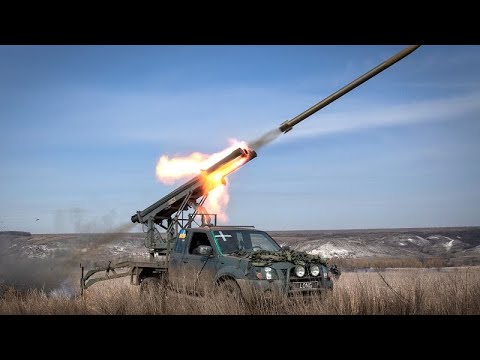
Despite domestic turmoil, the UK sought to reclaim a leadership role abroad. The most significant act was the signing of a century‑long partnership with Ukraine. During his first trip to Kyiv as prime minister in January, Starmer promised that Britain would support Ukraine “beyond this terrible war” and into a future where it was free and thriving. The One Hundred Year Partnership commits the UK to providing at least £3 billion in military assistance annually until 2030/31—and for as long as needed thereafter. It also pledges cooperation on defence production, training, air and missile defence, intelligence sharing and joint innovation. The pact is broad, covering economic recovery, scientific collaboration and cultural ties, and was accompanied by commitments to supply mobile air‑defence systems and 150 artillery barrels.
The agreement was signed against a backdrop of shifting geopolitics. With the United States under the new Trump administration reluctant to approve additional Ukraine funding and publicly advocating for a negotiated settlement, European nations assumed greater responsibility for security on the continent. The UK and Germany took over leadership of the Ukraine Defence Contact Group, which coordinates military assistance, while London and Paris pushed for a “coalition of the willing” to guarantee any future peace deal. European governments simultaneously expanded sanctions against Russia, agreed to increase defence spending and launched new funding mechanisms to procure equipment directly from industry. Bilateral donations of weapons gave way to initiatives aimed at joint production and financing Ukraine’s defence industry, with the UK and other allies emphasising rapid innovation and resilience.
This alignment with Kyiv reflected the government’s belief that Russia’s invasion threatened European security and the international rules‑based order. Starmer’s visit to Kyiv underscored the immediacy of the threat: during a press conference with President Volodymyr Zelenskyy at the Mariinskyi Palace, a Russian drone buzzed overhead, prompting anti‑aircraft fire. The incident reinforced London’s argument that Ukraine’s defence is inseparable from Europe’s security and that the UK must play a long‑term role in ensuring Ukrainian sovereignty.
Looking ahead to 2026: challenges and choices
The coming year promises to be pivotal. On the domestic front, the May 2026 local and devolved elections will be a referendum on Labour’s first 18 months in office. Polling experts expect Labour to suffer heavy losses across English councils, the Welsh Senedd and the Scottish Parliament. With Reform UK leading national polls and the Greens surging under new leader Zak Polanski, Labour faces pressure from both left and right. The Conservatives, led by Kemi Badenoch, hope to rebuild after their 2024 drubbing, while new parties such as Advance UK, Restore Britain and Your Party could fragment the vote further. A poor showing in May could trigger a leadership challenge against Starmer and Chancellor Rachel Reeves or prompt calls for an early general election.
Economic headwinds remain severe. Fiscal space is limited, and the government is locked into pledges to keep borrowing within strict limits while funding rising welfare costs, investing in healthcare and increasing defence spending. The NHS will continue to test the government’s ability to deliver: ministers have promised a ten‑year plan centred on prevention, technological innovation and neighbourhood‑based care, yet reforms take time to translate into improved outcomes, and staffing shortages persist. Housing, transport and net‑zero commitments also demand urgent attention, especially as opposition parties champion radically different energy policies.
Internationally, Ukraine will remain at the centre of British foreign policy. The 100‑year partnership binds the UK to provide at least £3 billion annually in military aid and to deepen industrial cooperation with Ukraine. With Washington signalling reduced support and Russia showing no sign of halting its aggression, European nations must fill the vacuum. Britain’s leadership of the Ukraine Defence Contact Group and its role in brokering peace‑keeping guarantees will require sustained diplomatic and financial investment. Maintaining domestic consensus for such assistance in the face of economic hardship will be challenging, yet failure to support Ukraine could embolden an increasingly authoritarian Russia and undermine Europe’s security architecture.
2025 revealed both the fragility and resilience of Britain’s political system. Voters demonstrated that they are willing to abandon traditional allegiances, while ministers discovered that big majorities offer little protection when expectations run high and delivery is difficult. The year ahead will test whether the government can stabilise public services, manage economic constraints, and articulate a compelling vision that counters the insurgent appeal of Reform UK and the Greens. Above all, it will test Britain’s capacity to balance domestic discontent with its moral and strategic commitment to supporting Ukraine’s struggle against Russian aggression.