The Japan Times - Why China props up Putin

EUR -
AED 4.2825
AFN 76.369722
ALL 92.312552
AMD 425.41519
ANG 2.087065
AOA 1070.479475
ARS 1760.249523
AUD 1.629768
AWG 2.093148
AZN 1.985343
BAM 1.954483
BBD 2.347829
BDT 143.143553
BGN 1.978131
BHD 0.439526
BIF 3476.736353
BMD 1.166099
BND 1.481378
BOB 13.411021
BRL 6.013221
BSD 1.165675
BTN 111.550318
BWP 15.61928
BYN 3.492986
BYR 22855.546505
BZD 2.344431
CAD 1.615205
CDF 2655.793198
CHF 0.936879
CLF 0.027061
CLP 1065.034136
CNY 7.838694
CNH 7.840246
COP 3577.114587
CRC 528.171308
CUC 1.166099
CUP 30.901632
CVE 110.191228
CZK 24.092078
DJF 207.571923
DKK 7.475082
DOP 68.557335
DZD 155.159992
EGP 59.248328
ERN 17.49149
ETB 190.418099
FJD 2.584541
FKP 0.854629
GBP 0.855392
GEL 3.037698
GGP 0.854629
GHS 12.968318
GIP 0.854629
GMD 86.291078
GNF 10242.625795
GTQ 8.895045
GYD 243.876728
HKD 9.140096
HNL 31.263544
HRK 7.534523
HTG 152.497905
HUF 363.081369
IDR 20684.269587
ILS 3.500043
IMP 0.854629
INR 111.639724
IQD 1527.077641
IRR 1602890.960551
ISK 141.004712
JEP 0.854629
JMD 184.417326
JOD 0.826749
JPY 185.826672
KES 150.90477
KGS 101.975556
KHR 4717.841466
KMF 493.259688
KPW 1049.489723
KRW 1612.493481
KWD 0.359881
KYD 0.971354
KZT 533.275266
LAK 26188.467157
LBP 104395.522943
LKR 383.41331
LRD 211.568358
LSL 18.682792
LTL 3.443188
LVL 0.705362
LYD 7.383089
MAD 10.812461
MDL 20.142687
MGA 5018.876646
MKD 61.483574
MMK 2448.503774
MNT 4191.271336
MOP 9.408401
MRU 46.670956
MUR 53.967369
MVR 18.027687
MWK 2021.342076
MXN 19.766351
MYR 4.719231
MZN 74.519524
NAD 18.682872
NGN 1571.004224
NIO 42.901094
NOK 10.84938
NPR 178.478215
NZD 1.956165
OMR 0.448363
PAB 1.16562
PEN 3.913563
PGK 5.245421
PHP 72.003157
PKR 323.455906
PLN 4.306399
PYG 7005.61022
QAR 4.249255
RON 5.252232
RSD 117.303713
RUB 97.775765
RWF 1718.157083
SAR 4.375077
SBD 9.351388
SCR 16.179337
SDG 701.47422
SEK 11.078713
SGD 1.481759
SHP 0.863923
SLE 28.744154
SLL 24452.51861
SOS 666.156873
SRD 44.045317
STD 24135.901402
STN 24.483294
SVC 10.199215
SYP 15161.623138
SZL 18.677377
THB 38.21306
TJS 10.770689
TMT 4.093009
TND 3.394228
TOP 2.807687
TRY 56.092062
TTD 7.913736
TWD 37.194482
TZS 3090.160776
UAH 52.142051
UGX 4342.093024
USD 1.166099
UYU 46.718722
UZS 13777.775956
VES 913.851565
VND 30499.327492
VUV 138.210231
WST 3.167016
XAF 655.520948
XAG 0.017176
XAU 0.000252
XCD 3.151442
XCG 2.100803
XDR 0.824493
XOF 655.520948
XPF 119.331742
YER 276.463474
ZAR 18.681564
ZMK 10496.28973
ZMW 22.11914
ZWL 375.483503
  • CMSC

    0.1264

    21.228

    +0.6%

  • NGG

    0.6600

    80.42

    +0.82%

  • BTI

    0.5000

    56.71

    +0.88%

  • BCC

    -0.2300

    82.24

    -0.28%

  • RBGPF

    2.5700

    71.13

    +3.61%

  • RIO

    -0.5000

    104.8

    -0.48%

  • BP

    -1.0200

    43.74

    -2.33%

  • BCE

    0.1400

    23.85

    +0.59%

  • AZN

    0.7300

    166.71

    +0.44%

  • GSK

    -0.6300

    51.78

    -1.22%

  • CMSD

    0.0800

    21.06

    +0.38%

  • RYCEF

    0.1900

    20.44

    +0.93%

  • JRI

    -0.0100

    12.37

    -0.08%

  • VOD

    0.0200

    15.98

    +0.13%

  • RELX

    0.4800

    36.39

    +1.32%


Why China props up Putin


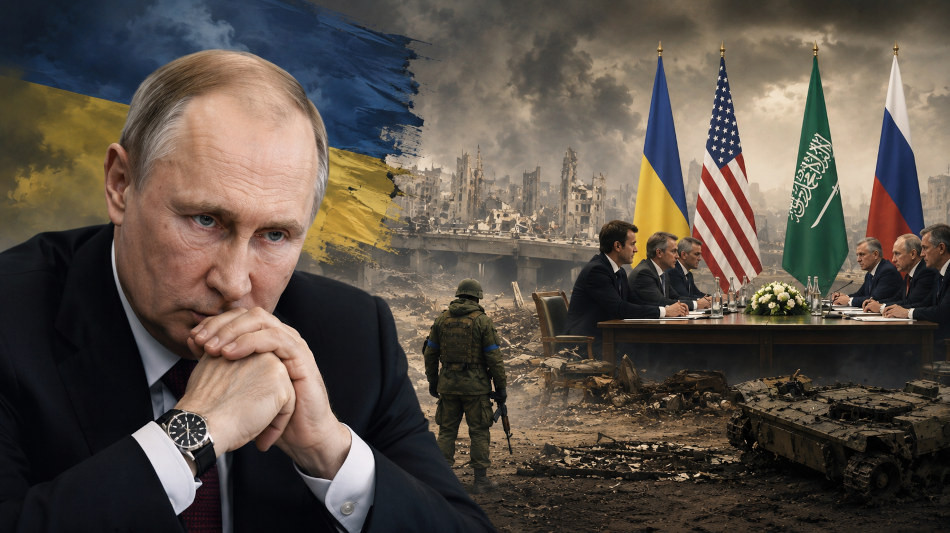
Beijing’s refusal to condemn Moscow’s full-scale assault on Ukraine has hardened into active, if carefully calibrated, material support. Customs and corporate-registration data show Chinese firms now dominate the flow of critical metals, micro-electronics and dual-use components that keep Russia’s defence industry alive, even as Western sanctions tighten.

Recent investigative dossiers detail how small export-intermediaries in coastal provinces label drone engines as “industrial refrigeration units,” allowing them to cross Eurasia by rail and re-appear inside Shahed-style loitering munitions launched against Odesa and Kyiv.

The trade underpinning this pipeline is immense. Despite a 9 % year-on-year dip, bilateral turnover still exceeded $106 billion in the first half of 2025, with Chinese car parts, machine tools and consumer electronics filling gaps left by departing Western brands. Energy sits at the core of the partnership. Xi Jinping and Vladimir Putin agreed in May to fast-track the 50 bcm-per-year “Power of Siberia 2” gas link, which would lock in discounted Siberian gas for decades and give Moscow a lifeline as European demand evaporates.

Financial ties deepen in parallel. By late 2024 more than a third of Russia’s trade was settled in yuan, helping the Kremlin skirt dollar clearing and accelerating Beijing’s long-term bid to internationalise its currency. Yet 98 % of Chinese banks now refuse direct rouble deals, a sign of how carefully Beijing manages sanctions exposure. Strategically, Chinese planners see virtue in a protracted conflict that drains U.S. and European arsenals, diverts NATO bandwidth, and tests Western sanctions architecture—all while avoiding outright Russian collapse that could leave a NATO-leaning vacuum on China’s northern frontier.

Washington and Brussels are responding. The EU is preparing its first penalties on Chinese banks accused of laundering Russian transactions, while Kyiv has black-listed several mainland suppliers implicated in drone production.

Still, Beijing judges the benefits—energy security, discounted commodities, a pliant strategic partner, and valuable combat data for its own doctrine—outweigh the risks. The partnership remains officially “no-limits,” but in practice it is bounded by one overriding calculation: help Moscow enough to bleed Ukraine and frustrate the West, yet not so openly that secondary sanctions threaten China’s wider economic ambitions.