RYCEF
0.1000

Spain has recently taken a bold stance by rejecting the North Atlantic Treaty Organization's (NATO) proposal to increase defense spending to 5% of its Gross Domestic Product (GDP). This decision has ignited debates across the international community, questioning Spain's dedication to NATO and the alliance's future defense strategies.
Background of the proposal
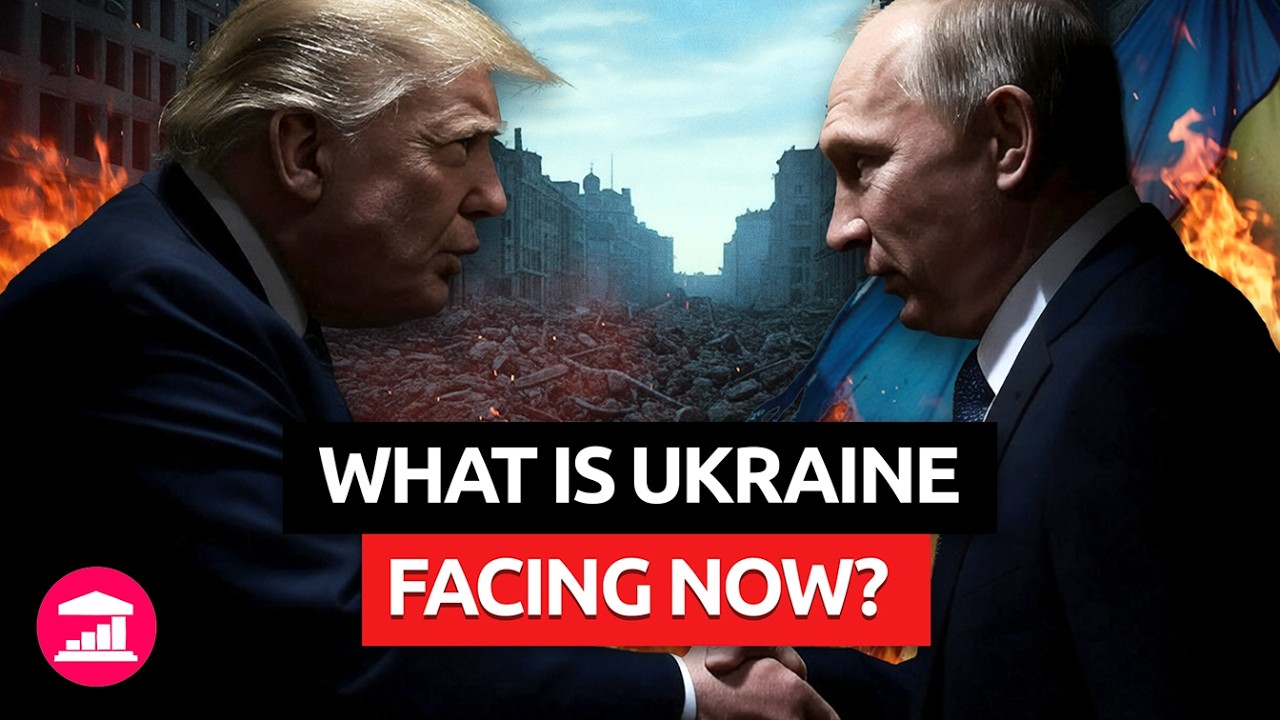
At a recent NATO summit held in The Hague, member states deliberated a significant proposal to elevate defense spending to 5% of GDP by 2035. Championed notably by the United States under President Donald Trump, this increase aimed to counter escalating security threats, particularly from Russia. However, Spain, under the leadership of Prime Minister Pedro Sánchez, has firmly opposed this target, highlighting a clash of priorities within the alliance.
Reasons for Spain's rebellion
Spain's economy faces challenges with a high debt-to-GDP ratio and persistent budget deficits. Committing to a 5% GDP defense spending target would necessitate severe cuts in critical sectors such as healthcare, education, and social welfare. Prime Minister Sánchez has labeled this potential shift as "unreasonable and counterproductive," stressing that it could destabilize Spain's economic recovery and social cohesion.
Strategic perspective
Geographically distant from Russia's borders, Spain perceives less immediate threat compared to Eastern European NATO members. This distance influences Spain's defense priorities, leading Sánchez to argue that Spain can fulfill NATO's capability requirements efficiently without adhering to the proposed spending hike. He advocates for resource allocation based on strategic necessity rather than a uniform percentage.
Reactions and repercussions
Spain's stance has elicited mixed responses. Within NATO, some member states and U.S. officials have voiced concerns, suggesting that this could undermine the alliance's collective defense strength and signal vulnerability to adversaries. President Trump has even hinted at retaliatory measures, such as imposing higher tariffs on Spanish exports.
Conversely, Spain stands firm, proposing a more tailored approach to defense contributions. Sánchez suggests that NATO should assess member contributions based on specific defense needs and capabilities, promoting fairness and flexibility across the alliance.
Broader implications
This rebellion underscores a growing rift within NATO regarding defense spending priorities. It challenges the alliance to reconsider how it measures and distributes defense responsibilities, balancing collective security with the diverse economic realities of its members. Spain's position could prompt a broader dialogue on adapting NATO's strategies to contemporary global security demands.
Conclusion of all
Spain's rejection of NATO's 5% GDP defense spending target reflects a complex interplay of economic limitations, strategic considerations, and political resolve. While it has strained relations within the alliance, it also opens the door for NATO to refine its approach, ensuring resilience and unity in addressing future threats.