RYCEF
0.1000

Recent claims have surfaced suggesting that white South Africans face systemic discrimination akin to apartheid, a term historically associated with the institutionalised racial segregation of black South Africans by the white minority from 1948 to 1994. These allegations, often amplified on social media and by certain political figures, point to issues such as land reform policies, farm attacks, and affirmative action programmes as evidence of a supposed "reverse apartheid." This article examines the validity of these claims, exploring the socio-political context, economic realities, and lived experiences in contemporary South Africa.
The notion of apartheid against whites primarily stems from debates over land reform. In 2025, South Africa’s government, led by President Cyril Ramaphosa, implemented a law allowing expropriation of land without compensation under specific conditions. The policy aims to address historical inequalities, as white South Africans, who make up roughly 8% of the population, still own a disproportionate share of arable land—estimated at over 70%—decades after apartheid’s end. Critics argue this policy targets white farmers unfairly, with some claiming it constitutes racial persecution. However, no documented cases of such expropriations have occurred to date, and the policy requires judicial oversight to ensure fairness. The land reform debate is less about race and more about correcting colonial and apartheid-era dispossessions, though its implementation remains contentious.
Another focal point is the issue of farm attacks, which some allege are racially motivated against white farmers. South Africa’s rural crime rates are high, with farmers of all backgrounds facing risks due to the country’s economic inequality and unemployment, which hovers around 33%. Data from the South African Police Service indicates that farm attacks, while tragic, are not disproportionately racial. In 2024, approximately 50 farm murders were recorded, affecting both white and black farmers, with motives often tied to robbery rather than race. Nonetheless, the narrative of a "white genocide" persists, fuelled by inflammatory rhetoric from figures like Julius Malema of the Economic Freedom Fighters, whose past chants of "Kill the Boer" have been widely condemned. Courts have ruled such statements as hate speech, and Malema has since distanced himself from inciting violence.
Affirmative action policies, designed to uplift historically disadvantaged black, coloured, and Indian populations, are also cited as evidence of anti-white discrimination. Programmes like Black Economic Empowerment (BEE) prioritise non-white hiring and business ownership to address the economic legacy of apartheid, where whites dominated wealth and opportunity. Some white South Africans, particularly Afrikaans-speaking Afrikaners, feel marginalised, claiming these policies limit their job prospects. For instance, in 2018, white employees at the Sasol corporation protested against alleged exclusion from bonus schemes. Yet, economic data paints a different picture: white South Africans still enjoy higher average incomes and lower unemployment rates (around 7%) compared to black South Africans (over 40%). The Gini coefficient, a measure of inequality, remains among the world’s highest at 63.3%, reflecting persistent disparities that affirmative action seeks to address.
Social tensions also play a role. Many white South Africans report feeling culturally alienated in a nation where African languages and traditions dominate public life. Afrikaans, once a symbol of white authority, is less prominent in schools and government, prompting some to perceive this as erasure. Conversely, black South Africans argue that these shifts are necessary to reflect the country’s 80% black majority. Incidents of racism, such as black students reporting unfair treatment in schools, highlight that prejudice cuts both ways, complicating claims of one-sided oppression.
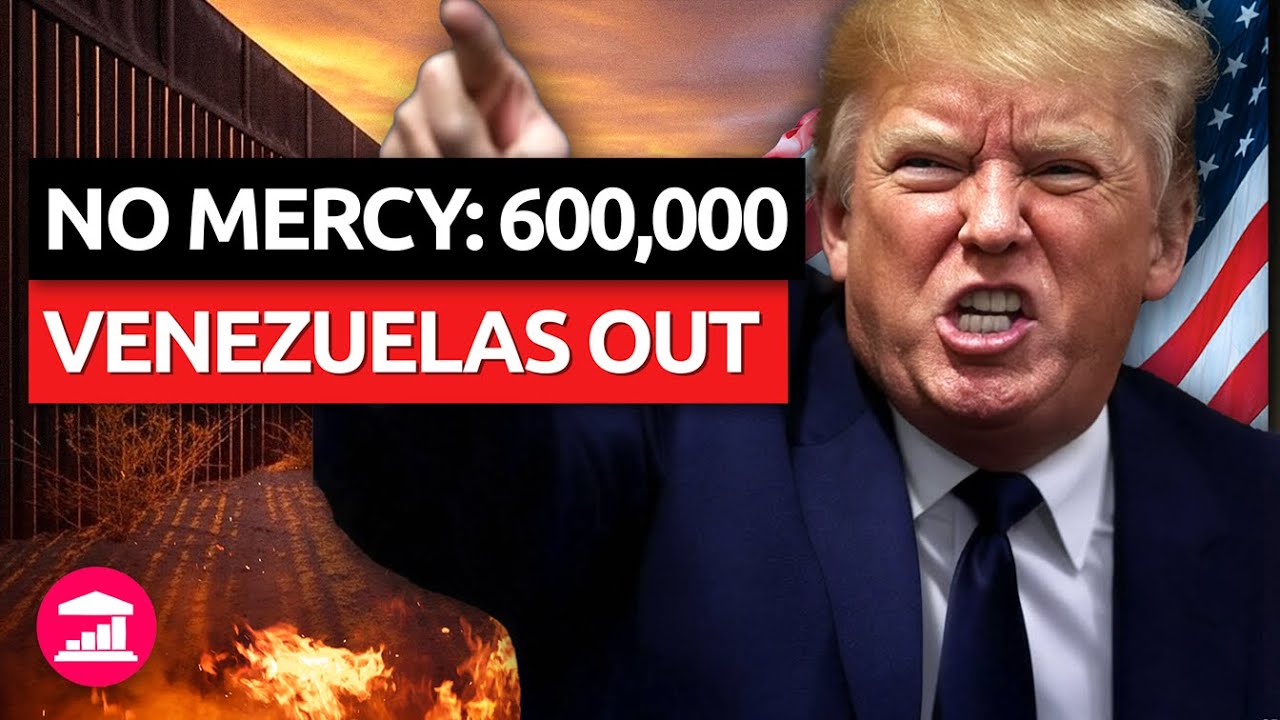
The "apartheid against whites" narrative has gained traction internationally, particularly in the United States, where former President Donald Trump in 2025 claimed white South Africans face "genocide." He offered asylum to white farmers, citing videos purportedly showing attacks. These claims were debunked, with South African authorities and independent analysts confirming no evidence of genocide. The videos, some dating back to the apartheid era, were misrepresented. Such international interventions often overlook South Africa’s complex reality, where poverty, not race, drives much of the crime and unrest. The country’s Truth and Reconciliation Commission, established post-1994, aimed to heal racial divides, but its recommendations for economic justice remain only partially implemented, leaving both black and white communities frustrated.
South Africa’s challenges—high crime, unemployment, and inequality—stem from apartheid’s long shadow, not a new racial regime. White South Africans, while facing real anxieties about their place in a transforming society, retain significant economic advantages. Claims of apartheid against whites exaggerate isolated incidents and mischaracterise policies aimed at historical redress. The country’s path forward lies in addressing poverty and fostering dialogue, not in perpetuating narratives of racial victimhood.