The Japan Times - SpaceX Falcon 9 rocket experiences rare failure

EUR -
AED 4.208399
AFN 73.327206
ALL 95.443491
AMD 432.388906
ANG 2.050961
AOA 1050.638449
ARS 1597.797451
AUD 1.630475
AWG 2.062323
AZN 1.948746
BAM 1.943569
BBD 2.310976
BDT 140.793986
BGN 1.958415
BHD 0.432562
BIF 3402.832693
BMD 1.145735
BND 1.465078
BOB 7.928827
BRL 6.043409
BSD 1.147439
BTN 106.407664
BWP 15.559995
BYN 3.497248
BYR 22456.404302
BZD 2.307687
CAD 1.573484
CDF 2600.81847
CHF 0.90886
CLF 0.026568
CLP 1049.068969
CNY 7.874693
CNH 7.906797
COP 4247.239324
CRC 535.908827
CUC 1.145735
CUP 30.361975
CVE 111.193704
CZK 24.498161
DJF 203.619906
DKK 7.474663
DOP 68.80171
DZD 151.997717
EGP 59.857436
ERN 17.186024
ETB 179.880066
FJD 2.546109
FKP 0.858669
GBP 0.864004
GEL 3.110683
GGP 0.858669
GHS 12.494286
GIP 0.858669
GMD 84.784244
GNF 10059.552798
GTQ 8.789572
GYD 240.054674
HKD 8.981015
HNL 30.441679
HRK 7.536413
HTG 150.373205
HUF 394.577381
IDR 19518.396264
ILS 3.551836
IMP 0.858669
INR 107.268515
IQD 1500.912737
IRR 1506641.41082
ISK 143.228118
JEP 0.858669
JMD 180.166218
JOD 0.812301
JPY 183.136532
KES 148.430115
KGS 100.194954
KHR 4594.397018
KMF 490.374163
KPW 1031.136674
KRW 1732.202746
KWD 0.351394
KYD 0.956116
KZT 553.517402
LAK 24576.014094
LBP 102585.696896
LKR 357.291571
LRD 210.070484
LSL 19.270906
LTL 3.383057
LVL 0.693044
LYD 7.309401
MAD 10.739833
MDL 20.004714
MGA 4777.714338
MKD 61.657059
MMK 2406.161833
MNT 4091.535941
MOP 9.26322
MRU 45.966756
MUR 53.288063
MVR 17.712808
MWK 1988.995904
MXN 20.460073
MYR 4.486128
MZN 73.211959
NAD 19.270894
NGN 1553.616757
NIO 42.071856
NOK 11.006685
NPR 170.246753
NZD 1.975556
OMR 0.44053
PAB 1.147434
PEN 3.927008
PGK 4.929811
PHP 68.826542
PKR 320.007136
PLN 4.279378
PYG 7415.814625
QAR 4.175008
RON 5.09348
RSD 117.464137
RUB 96.10281
RWF 1671.627239
SAR 4.301874
SBD 9.217712
SCR 16.540068
SDG 688.586873
SEK 10.788429
SGD 1.470552
SHP 0.859598
SLE 28.242067
SLL 24025.500669
SOS 654.828588
SRD 42.821822
STD 23714.399477
STN 24.633301
SVC 10.039689
SYP 126.701966
SZL 19.270862
THB 37.545767
TJS 10.97467
TMT 4.010072
TND 3.342678
TOP 2.758654
TRY 50.684222
TTD 7.777783
TWD 36.700981
TZS 2983.184004
UAH 50.461567
UGX 4316.759367
USD 1.145735
UYU 46.46758
UZS 13949.322477
VES 516.660955
VND 30144.285571
VUV 137.021717
WST 3.1321
XAF 651.809663
XAG 0.015196
XAU 0.000238
XCD 3.096406
XCG 2.067914
XDR 0.809897
XOF 649.058144
XPF 119.331742
YER 273.343656
ZAR 19.46103
ZMK 10312.985183
ZMW 22.437917
ZWL 368.926175
  • RBGPF

    0.1000

    82.5

    +0.12%

  • CMSC

    -0.1200

    22.83

    -0.53%

  • RIO

    -2.0800

    87.72

    -2.37%

  • BCE

    -0.2600

    25.75

    -1.01%

  • RYCEF

    -0.1800

    16.6

    -1.08%

  • BCC

    -1.0800

    71.84

    -1.5%

  • GSK

    -1.3500

    52.06

    -2.59%

  • JRI

    -0.1370

    12.323

    -1.11%

  • CMSD

    0.0100

    22.89

    +0.04%

  • NGG

    -3.0200

    87.4

    -3.46%

  • RELX

    -0.4300

    33.86

    -1.27%

  • VOD

    -0.3800

    14.37

    -2.64%

  • BTI

    -2.4600

    58.09

    -4.23%

  • BP

    0.7600

    44.61

    +1.7%

  • AZN

    -2.8700

    188.42

    -1.52%

SpaceX Falcon 9 rocket experiences rare failure
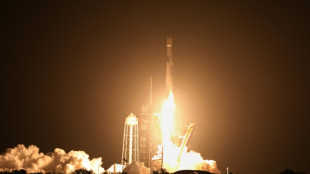
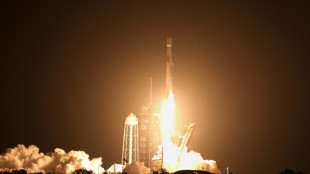
SpaceX Falcon 9 rocket experiences rare failure / Photo: Patrick T. Fallon - AFP

SpaceX Falcon 9 rocket experiences rare failure

SpaceX's highly reliable Falcon 9 rocket has experienced a rare failure that means the latest batch of the company's Starlink satellites won't make it into orbit, the company said Friday, as regulators opened an investigation.

Text size:

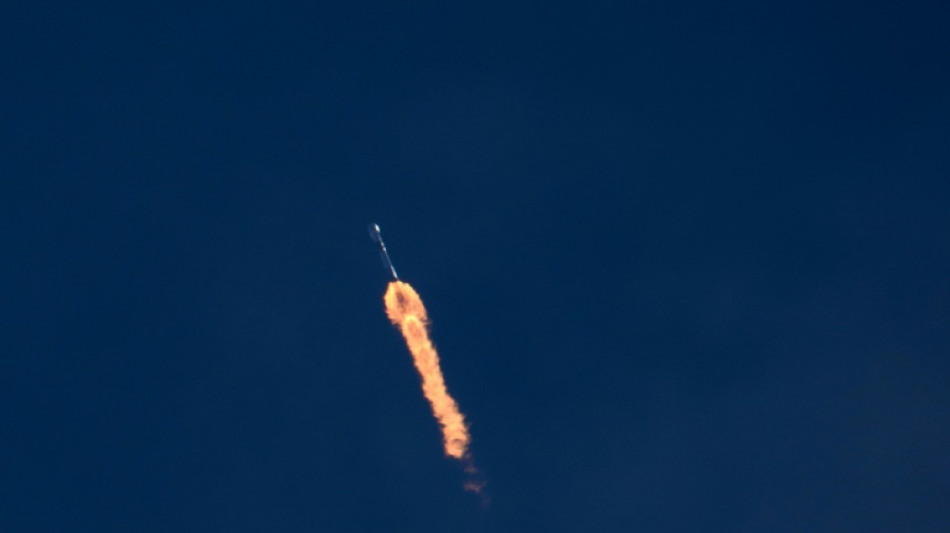
The rocket, a prolific launch vehicle that propels both satellites and astronauts into orbit, blasted off from Vandenberg Space Force Base in California on Thursday night, with the first stage performing well and executing its impressive yet now routine droneship landing.

But the second stage developed a liquid oxygen leak, SpaceX said in a statement, leaving it unable to complete a planned second burn.

Though it deployed the 20 Starlink internet satellites it was carrying, they entered an eccentric orbit with a low point of 135 km (83 miles), roughly half of what it needed to be.

The team worked overnight to send commands to the satellites to try to lift their orbit, but were ultimately unsuccessful.

"As such, the satellites will re-enter Earth’s atmosphere and fully demise," SpaceX said. "They do not pose a threat to other satellites in orbit or to public safety."

The mishap marks a rare failure for a rocket that has launched successfully 364 times, carrying astronauts, payloads for SpaceX's commercial clients and thousands of Starlink satellites to orbit.

The last time a Falcon 9 experienced a serious incident was when one blew up on the launchpad in September 2016.

And in June 2015, the second stage of a Falcon 9 disintegrated two minutes after lift-off, resulting in the loss of important equipment bound for the International Space Station.

The Federal Aviation Administration said in a statement it was "requiring an investigation" to determine the root cause of the latest event, identify corrective actions and prevent it from happening again.

SpaceX must submit a report before it can be issued a "return to flight," meaning the next scheduled resupply of the International Space Station on July 19 is likely to be delayed, as is the next crewed launch on July 31 for the private Polaris Dawn mission.

"SpaceX has an incredible track record with Falcon 9. I can say from personal experience they are very transparent when issues arise," Jared Isaacman, the billionaire businessman behind Polaris Dawn tweeted.

"As for Polaris Dawn, we will fly whenever SpaceX is ready."

The mishap notably comes as the first crew of Boeing's problem-plagued Starliner spaceship are stuck waiting for ground teams to give a green light for them to return from the ISS.

S.Yamada--JT