Cuba releases prisoners, confirms talks with US / Photo: - - CUBA TV/AFP

Cuba's communist authorities on Friday began a prisoner release negotiated with the Vatican and confirmed that talks were underway with the United States amid intense pressure from President Donald Trump.
The Justicia 11J rights group said it had been able to confirm the release of two people jailed for taking part in major anti-government protests in July 2021.
Cuba said Thursday that it would release 51 prisoners after talks with the Holy See, which has in the past acted as mediator between Havana and Washington.
Havana has described the prisoner releases as a "goodwill" gesture to the Vatican. There was little other information about the identity of those being freed or their criminal records.
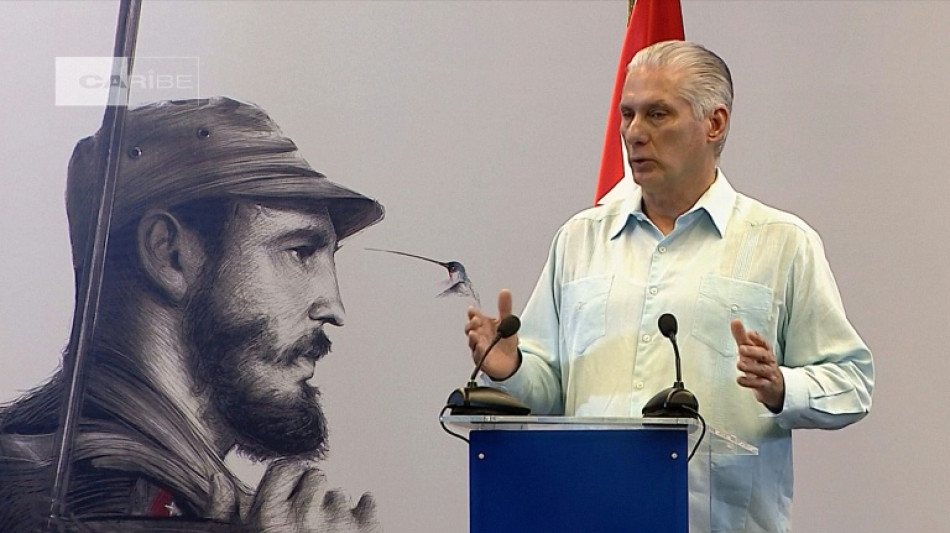
The unusual show of clemency came hours after Cuban President Miguel Diaz-Canel confirmed that his government was in talks with the United States.
Trump has said Cuba will be "next" on his agenda after Iran and the US overthrow of Cuba's top ally, Nicolas Maduro of Venezuela.
In January, Trump placed the impoverished island under a US oil blockade, strangling its fuel supply on the basis of what he called the "extraordinary threat" posed by Cuba to the United States. This comes on top of a decades-long economic embargo by Washington.
During a meeting with top Cuban officials, broadcast live on national television, Diaz-Canel said Havana was negotiating with Washington, but gave little away about the nature of the talks.
"Cuban officials recently held discussions with representatives of the United States government," he said, confirming negotiations first revealed by Trump in mid-January.
"These conversations have been aimed at seeking solutions -- through dialogue -- to the bilateral differences," he added.
- 'Make a deal' -
Mexico's left-wing president welcomed the development.
"Good. Mexico has always pushed for peace and diplomatic dialogue -- particularly given the injustice of the blockade against the Cuban people for all these years," President Claudia Sheinbaum told reporters.
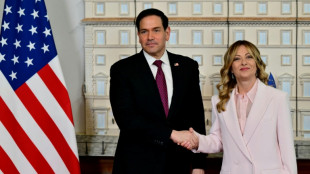
US media reports say Raul Guillermo Rodriguez Castro, a grandson of former president Raul Castro, has been holding secret talks for weeks with US Secretary of State Marco Rubio, who is Cuban-American.
Rodriguez Castro was seated in the front row at the meeting addressed by Diaz-Canel.
The Cuban government has been in Trump's sights since the January overthrow of Washington's other foe in the Caribbean, Maduro, on whom Cuba relied for cheap oil.
The oil embargo has brought Cuba's already troubled economy to the brink of collapse.
The blockade has also starved Cuba's power plants and farms of fuel and brought daily life to a near standstill. Airlines have curtailed or suspend flights to the island for lack of fuel.
Trump last weekend predicted that Cuba "is going to fall pretty soon" and told CNN: "They want to make a deal so badly."
Diaz-Canel said the talks were being supported by "international factors" without elaborating.
Underlining the tension across the Florida Straits separating Cuba and the United States, Cuban forces opened fire on a speedboat carrying a group of alleged armed, US-based assailants on February 25. Five of the people on the boat were killed.
K.Yoshida--JT