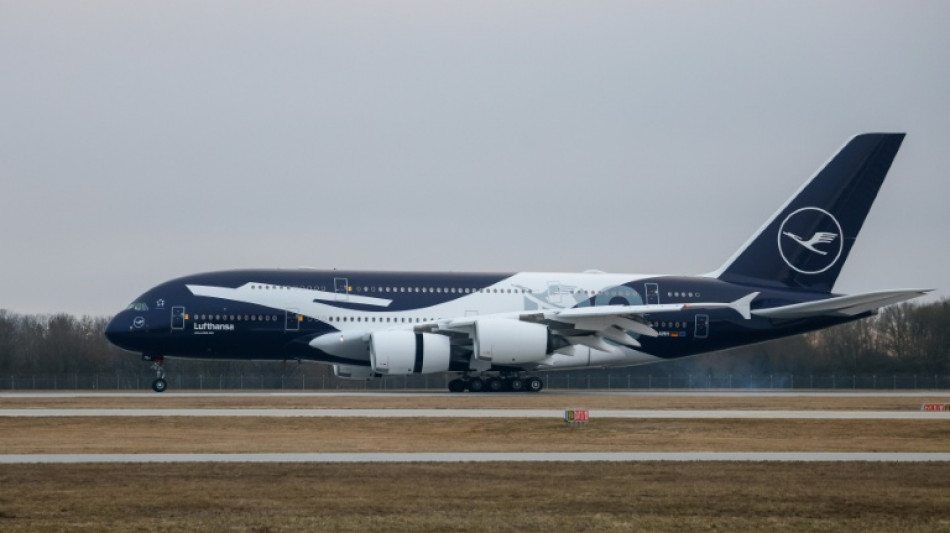
Airlines grapple with impact of Mideast war / Photo: Michaela STACHE - AFP/File

Global airlines are grappling with the effects of the war in the Middle East, as fuel prices soar and customers reassess their travel plans.
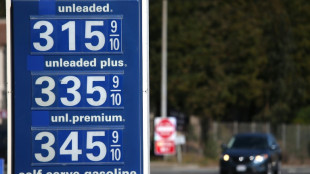
The war has sent the price of oil and gas soaring, after Iran's Revolutionary Guards vowed to choke off traffic in the Strait of Hormuz, one of the world's key energy transit routes.
The average global price of jet fuel has surged even faster, reaching $173.91 per barrel on Monday, according to the Platts benchmark index, double what it was on the levels of January 2.
While the region's airlines like Qatar Airways, Emirates and Etihad have been hit the hardest, most major international carriers have been affected, as they operate flights both to and through the Gulf region.
"As soon as the price of a barrel of oil rises, airline profits fall, and vice versa," said Paul Chiambaretto, professor of strategy and marketing at Montpellier Business School and an air transport specialist.
- Fuel hedge -
European airlines will be able to withstand the shock in the short term as many purchase fuel at fixed prices for several months in advance.
Lufthansa, for example, said in early March that it had bought 80 percent of its annual fuel needs at a fixed price.
Air France-KLM, for its part, said in February that it had secured a fixed price for 70 percent of its fuel for the first two quarters, and 60 percent for the quarter following.
Budget airline Ryanair is also well protected because of a similar strategy, according to report by Bernstein analysts published Tuesday.
Some carriers, however, have started hiking prices already, with Scandinavian airline SAS on Tuesday announcing a "temporary" increase in its fares.
The Bernstein report said that the trio of largest US carriers -- United, Delta, and American -- "do not hedge", which could weaken them on North Atlantic routes where competition with European airlines is fierce.
If oil prices remain high, airlines will have no choice but to pass on the price increases to customers, analysts say.
Airlines in the Asia-Pacific region, including Qantas, Air India and Cathay Pacific, said they have hiked fares -- or will soon -- to factor in surging jet fuel prices spurred by the war.
- Summer travel -
The war has broken out during a key time for the tourism industry, as Americans and Europeans make their summer travel reservations, the busiest time of the year.
"This conflict is already having a negative impact on people's willingness to travel. If you raise ticket prices, it's going to be a (new) negative effect," said Transavia France CEO Olivier Mazzucchelli on Tuesday.
"It's likely that there will be a bit more hesitancy and that passengers will book their flights less far in advance," a phenomenon already seen during the Covid pandemic, Chiambaretto said.
European carriers could also see a benefit from a shift of customers to the Middle East.
Lufthansa and Air France, for example, have announced an increase in flights to Asia since the start of the war.
Y.Mori--JT