The Japan Times - E.coli can turn plastic into painkillers, chemists discover

EUR -
AED 4.324146
AFN 75.356088
ALL 95.431906
AMD 439.007982
ANG 2.107481
AOA 1080.889884
ARS 1621.033493
AUD 1.643597
AWG 2.119392
AZN 2.002786
BAM 1.954464
BBD 2.36901
BDT 144.331305
BGN 1.96409
BHD 0.444245
BIF 3503.415074
BMD 1.17744
BND 1.495014
BOB 8.157422
BRL 5.833509
BSD 1.176261
BTN 109.624694
BWP 15.769748
BYN 3.336319
BYR 23077.821208
BZD 2.365612
CAD 1.607329
CDF 2721.063472
CHF 0.917108
CLF 0.026378
CLP 1038.172079
CNY 8.027491
CNH 8.023146
COP 4215.305336
CRC 535.922153
CUC 1.17744
CUP 31.202156
CVE 110.189651
CZK 24.295273
DJF 209.460543
DKK 7.47314
DOP 70.770104
DZD 155.5963
EGP 61.166465
ERN 17.661598
ETB 182.980437
FJD 2.584421
FKP 0.87088
GBP 0.870581
GEL 3.161404
GGP 0.87088
GHS 12.998112
GIP 0.87088
GMD 85.953266
GNF 10319.680388
GTQ 8.999954
GYD 246.091721
HKD 9.221367
HNL 31.2527
HRK 7.531027
HTG 154.022905
HUF 361.960904
IDR 20166.130184
ILS 3.512658
IMP 0.87088
INR 109.980538
IQD 1540.900516
IRR 1557752.931232
ISK 143.200556
JEP 0.87088
JMD 186.327049
JOD 0.8348
JPY 187.081086
KES 152.010224
KGS 102.96764
KHR 4710.478892
KMF 492.170222
KPW 1059.694323
KRW 1730.041877
KWD 0.36317
KYD 0.980201
KZT 548.618542
LAK 25951.482755
LBP 105330.743014
LKR 372.214413
LRD 216.943457
LSL 19.261256
LTL 3.476674
LVL 0.712221
LYD 7.454681
MAD 10.863571
MDL 20.148623
MGA 4866.527571
MKD 61.606215
MMK 2472.340222
MNT 4208.37663
MOP 9.487031
MRU 46.942903
MUR 54.598001
MVR 18.191997
MWK 2039.544717
MXN 20.375738
MYR 4.6579
MZN 75.303164
NAD 19.261256
NGN 1584.210122
NIO 43.289295
NOK 10.982159
NPR 175.256948
NZD 1.993011
OMR 0.452728
PAB 1.176296
PEN 4.038538
PGK 5.171376
PHP 70.561593
PKR 327.960489
PLN 4.231872
PYG 7499.648751
QAR 4.288224
RON 5.099256
RSD 117.354194
RUB 88.248765
RWF 1723.170461
SAR 4.416586
SBD 9.465104
SCR 16.45931
SDG 707.641326
SEK 10.758563
SGD 1.496555
SHP 0.879078
SLE 29.023661
SLL 24690.320578
SOS 672.220348
SRD 44.093912
STD 24370.627809
STN 24.482843
SVC 10.291657
SYP 130.161957
SZL 19.25626
THB 37.748824
TJS 11.147982
TMT 4.126927
TND 3.399859
TOP 2.834993
TRY 52.857582
TTD 7.982304
TWD 37.011637
TZS 3058.900462
UAH 51.954129
UGX 4358.019952
USD 1.17744
UYU 46.794763
UZS 14229.846532
VES 565.914226
VND 30994.33809
VUV 137.686615
WST 3.19697
XAF 655.489287
XAG 0.014927
XAU 0.000246
XCD 3.18209
XCG 2.119887
XDR 0.815218
XOF 655.489287
XPF 119.331742
YER 280.996123
ZAR 19.2861
ZMK 10598.367839
ZMW 22.260117
ZWL 379.135154
  • RBGPF

    -13.5000

    69

    -19.57%

  • NGG

    -0.9000

    86.02

    -1.05%

  • GSK

    -1.0000

    57.35

    -1.74%

  • CMSC

    -0.0398

    22.73

    -0.18%

  • BCE

    -0.1400

    23.95

    -0.58%

  • BCC

    0.9300

    83.97

    +1.11%

  • CMSD

    0.0050

    23.085

    +0.02%

  • BP

    0.5300

    45.12

    +1.17%

  • BTI

    0.3800

    57.06

    +0.67%

  • RIO

    -0.3200

    99.83

    -0.32%

  • RYCEF

    -0.4600

    17.2

    -2.67%

  • JRI

    0.0400

    13.13

    +0.3%

  • RELX

    0.0600

    36.74

    +0.16%

  • VOD

    15.6500

    15.65

    +100%

  • AZN

    -4.1100

    200.69

    -2.05%

E.coli can turn plastic into painkillers, chemists discover
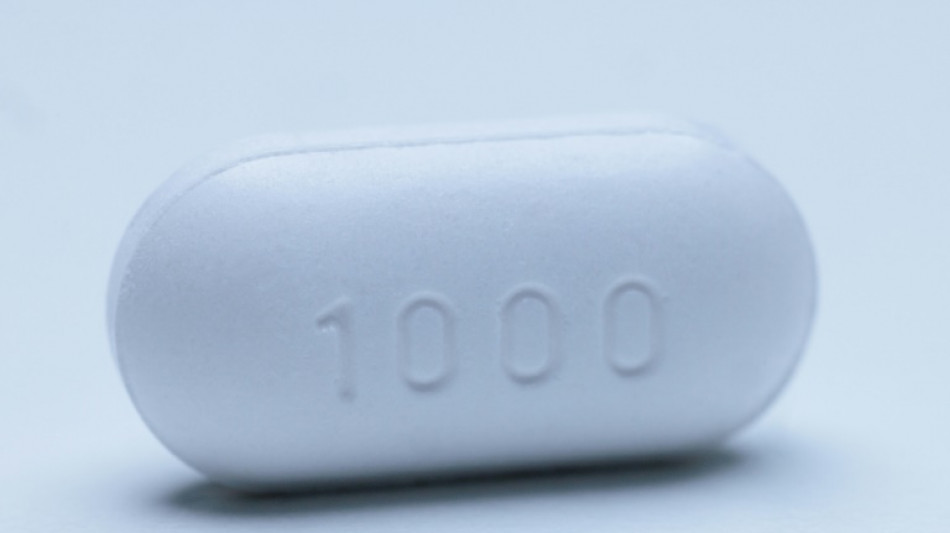
E.coli can turn plastic into painkillers, chemists discover / Photo: JOEL SAGET - AFP/File

E.coli can turn plastic into painkillers, chemists discover

Scientists have found a way to use the bacteria E.Coli to convert plastic waste into a popular painkiller, a study said Monday, though outside experts doubted the technique would make a dent in the fight against plastic pollution.

Text size:

Paracetamol, which is one of the most commonly used drugs worldwide, is made from the derivatives of fossil fuels, often by Asia-based subcontractors using cheap, polluting methods that contribute to climate change.

The world is also facing an escalating crisis of plastic pollution, with countries set for another bruising round of negotiations in August in the hope of sealing an international treaty to reduce plastic waste.

The British team of researchers behind the new study sought to find a solution to the two problems by roping in a third -- E.coli, which is normally known for making people sick when they eat contaminated food.

First the chemists used a molecule derived from PET plastic, which is used in bottles and many other plastic products the world over, to spark a chemical reaction in a strain of E.coli.

This created a molecule they called PABA, according to the Nature Chemistry study, which was partly funded by drug firm AstraZeneca.

By genetically modifying the bacteria, the chemists were able to transform their molecule into acetaminophen, also known as paracetamol.

"This work demonstrates that PET plastic isn't just waste or a material destined to become more plastic -- it can be transformed by microorganisms into valuable new products, including those with potential for treating disease," lead study Stephen Wallace said in a statement.

Singaporean researchers not involved in the study praised how it combined synthetic and biological chemistry.

But "several practical considerations remain" to take this idea beyond the proof-of-concept stage, they wrote in a linked commentary in the journal Nature Chemistry.

The chemical reaction produces only a limited amount of PABA molecules, which "may be insufficient for industrial applications", they wrote.

Melissa Valliant, communications director of the Beyond Plastics project of Bennington College in the United States, expressed scepticism.

"A new 'plastic-eating bacteria' pops up in the news every few months and has been doing so for years," she told AFP.

"These discoveries never scale up to anything significant enough to tackle the massive plastic pollution problem."

This "crisis needs to be stopped at the source," she added, which means "companies and policymakers must reduce the amount of plastic being produced and used in the first place".

T.Ueda--JT