The Japan Times - Climate change could double summer rainfall in the Alps: study

EUR -
AED 4.333945
AFN 77.887151
ALL 96.474738
AMD 446.387728
ANG 2.112487
AOA 1082.158989
ARS 1708.501219
AUD 1.686989
AWG 2.125669
AZN 2.010175
BAM 1.953256
BBD 2.375636
BDT 144.132249
BGN 1.981838
BHD 0.444912
BIF 3493.118957
BMD 1.180108
BND 1.500545
BOB 8.150418
BRL 6.183168
BSD 1.179479
BTN 106.74341
BWP 15.532832
BYN 3.368212
BYR 23130.11201
BZD 2.37218
CAD 1.612777
CDF 2625.73975
CHF 0.917268
CLF 0.025649
CLP 1012.780302
CNY 8.187825
CNH 8.189275
COP 4282.1154
CRC 584.718509
CUC 1.180108
CUP 31.272856
CVE 110.116893
CZK 24.372651
DJF 209.729075
DKK 7.467836
DOP 73.993927
DZD 153.079662
EGP 55.345637
ERN 17.701616
ETB 182.736137
FJD 2.602315
FKP 0.86138
GBP 0.864819
GEL 3.180373
GGP 0.86138
GHS 12.951184
GIP 0.86138
GMD 86.147641
GNF 10351.077805
GTQ 9.046909
GYD 246.769596
HKD 9.219178
HNL 31.162539
HRK 7.535581
HTG 154.599269
HUF 379.63596
IDR 19834.071049
ILS 3.652203
IMP 0.86138
INR 106.731129
IQD 1545.19373
IRR 49712.039391
ISK 144.796826
JEP 0.86138
JMD 184.959067
JOD 0.836717
JPY 185.210858
KES 152.175039
KGS 103.200068
KHR 4760.818583
KMF 493.285381
KPW 1062.032235
KRW 1723.806746
KWD 0.362683
KYD 0.982924
KZT 585.944944
LAK 25371.05838
LBP 105624.757488
LKR 365.052098
LRD 219.384223
LSL 18.850106
LTL 3.484551
LVL 0.713835
LYD 7.453974
MAD 10.812948
MDL 19.957088
MGA 5225.215613
MKD 61.616688
MMK 2478.150907
MNT 4212.803755
MOP 9.491776
MRU 46.835403
MUR 54.143869
MVR 18.232624
MWK 2044.881053
MXN 20.447408
MYR 4.639592
MZN 75.231987
NAD 18.850824
NGN 1615.048331
NIO 43.403829
NOK 11.419029
NPR 170.820208
NZD 1.967092
OMR 0.453702
PAB 1.179469
PEN 3.965035
PGK 5.053246
PHP 69.568537
PKR 329.895286
PLN 4.218
PYG 7806.566323
QAR 4.30205
RON 5.094998
RSD 117.391206
RUB 89.984704
RWF 1721.464861
SAR 4.425427
SBD 9.509428
SCR 16.184535
SDG 709.834768
SEK 10.608431
SGD 1.502163
SHP 0.885386
SLE 28.883122
SLL 24746.268716
SOS 672.926277
SRD 44.719019
STD 24425.847913
STN 24.468438
SVC 10.320119
SYP 13051.490107
SZL 18.849526
THB 37.45618
TJS 11.022488
TMT 4.142178
TND 3.411341
TOP 2.841416
TRY 51.369267
TTD 7.989795
TWD 37.376496
TZS 3045.020483
UAH 50.882013
UGX 4199.529565
USD 1.180108
UYU 45.458858
UZS 14458.675608
VES 438.575913
VND 30661.559706
VUV 141.089893
WST 3.217174
XAF 655.106414
XAG 0.013133
XAU 0.000235
XCD 3.189301
XCG 2.12574
XDR 0.813661
XOF 655.120274
XPF 119.331742
YER 281.308183
ZAR 18.976192
ZMK 10622.385043
ZMW 23.089021
ZWL 379.994216
  • RBGPF

    0.1000

    82.5

    +0.12%

  • SCS

    0.0200

    16.14

    +0.12%

  • CMSD

    -0.0700

    23.87

    -0.29%

  • BP

    0.3800

    39.2

    +0.97%

  • BTI

    -0.2400

    61.63

    -0.39%

  • RIO

    0.1100

    96.48

    +0.11%

  • RELX

    -0.7300

    29.78

    -2.45%

  • CMSC

    -0.1400

    23.52

    -0.6%

  • NGG

    1.5600

    87.79

    +1.78%

  • GSK

    3.8900

    57.23

    +6.8%

  • BCE

    0.2400

    26.34

    +0.91%

  • AZN

    3.1300

    187.45

    +1.67%

  • BCC

    5.3000

    90.23

    +5.87%

  • RYCEF

    -0.3200

    16.68

    -1.92%

  • JRI

    0.0300

    13.15

    +0.23%

  • VOD

    0.4600

    15.71

    +2.93%

Climate change could double summer rainfall in the Alps: study
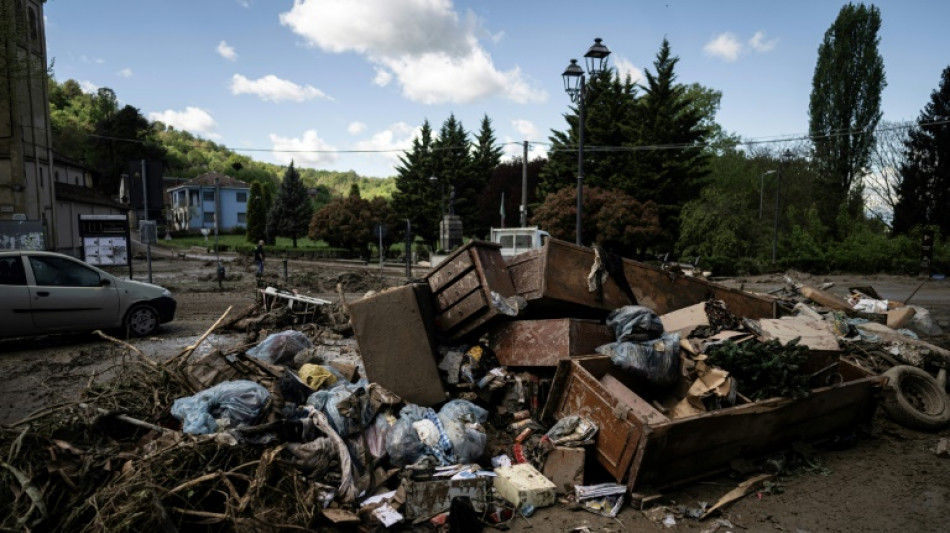
Climate change could double summer rainfall in the Alps: study / Photo: MARCO BERTORELLO - AFP

Climate change could double summer rainfall in the Alps: study

Short, intense summer rainfall in Alpine regions is likely to become more frequent and severe in the future because of global warming, according to a study released Thursday by the University of Lausanne (UNIL).

Text size:

Researchers said that in a scenario where temperatures rise by two degrees Celsius (about 3.6 degrees Fahrenheit), the Alps and nearby regions could experience episodes of intense summer rainfall twice as often as currently.

"With such warming, an intense storm currently expected once every 50 years could occur once every 25 years in the future," said the Swiss university, which conducted the study in collaboration with the University of Padua in Italy.

"Hot air holds more moisture (around seven percent more per degree), intensifying storm activity", the researchers said.

"As the Alpine environment warms faster than the global average, it is particularly affected," they added.

The study used summer rainfall data collected from nearly 300 meteorological stations across the European Alps in Switzerland, Germany, Austria, France and Italy.

They focused on record-breaking rainfall events -- lasting from 10 minutes to an hour -- that occurred between 1991 and 2020, as well as the temperatures associated with these episodes.

"The sudden and massive arrival of large volumes of water can exceed the soil's absorption capacity," which can "trigger flash floods and debris flows, causing damage to infrastructure", said Nadav Peleg, a researcher at UNIL and the study's lead author.

Researchers recommend "preparing urban water management systems and other infrastructures" that are ill suited to handle significant rainfall volumes.

"Promptly updating engineering and urban planning standards" would help mitigate potential risks associated with these events, they added, while also emphasising the need to "limit global warming to 1.5C or less above current levels".

According to scientists from the United Nations' IPCC panel on climate change, there is a 50 percent chance of global temperatures rising by an average of 1.5C by 2030-2035.

"We are already observing a trend towards intensified summer storms and this trend is expected to worsen in the coming years," said Francesco Marra, a researcher at the University of Padova and a co-author of the study.

K.Hashimoto--JT